The brief
A potential agreement between the US and Iran regarding the Strait of Hormuz could significantly affect Africa's economy, particularly in terms of energy and food prices.
Context
The Strait of Hormuz is a crucial maritime route for global oil shipments, and its reopening could lead to lower prices for essential commodities in Africa.S1S2
Key points
- The Strait of Hormuz may fully reopen due to a potential US-Iran agreement.S1S2
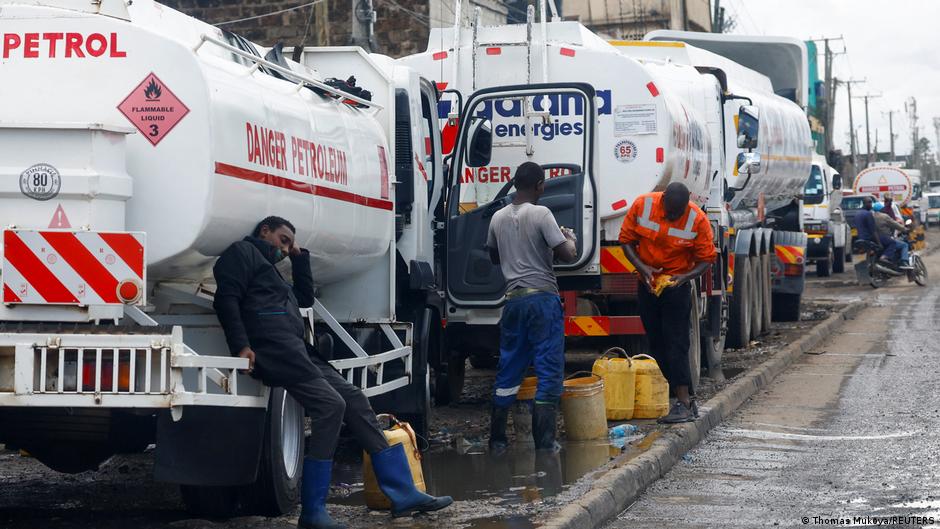
- Lower energy, fertilizer, and food prices in Africa are anticipated if the Strait reopens.S1S2
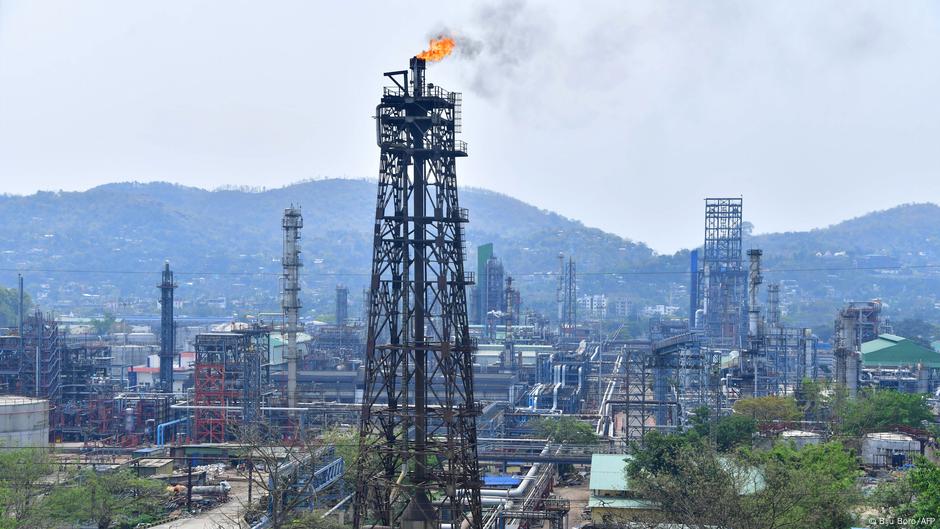
- Oil exporters in Africa, such as Nigeria and Angola, could face reduced revenue.S1S2
- Experts suggest that the reopening could lead to a mixed economic impact across the continent.S1S2
- The agreement could stabilize the energy market in Africa, benefiting consumers.S1S2
- Potential price drops may improve food security in some African nations.S1S2
- The situation highlights the interconnectedness of global energy markets and local economies.S1S2
- Continued monitoring of US-Iran relations will be crucial for future economic forecasts in Africa.S1S2
Why it matters
- Lower prices for energy and food could alleviate economic pressures on African consumers.S1S2
- The economic impact on oil-exporting nations may lead to shifts in their fiscal policies.S1S2
- Understanding these dynamics is essential for policymakers in Africa as they navigate potential changes.S1S2
What to watch
- Watch for developments in US-Iran negotiations regarding the Strait of Hormuz.S1S2
- Monitor how African oil-exporting countries respond to potential revenue changes.S1S2
- Keep an eye on commodity price trends in Africa following any agreement.S1S2




/file/attachments/2998/14301574_287431.jpg)
