The brief
Germany and Poland have developed a complex relationship since signing a pivotal treaty in 1991, marked by both cooperation and challenges.
Context
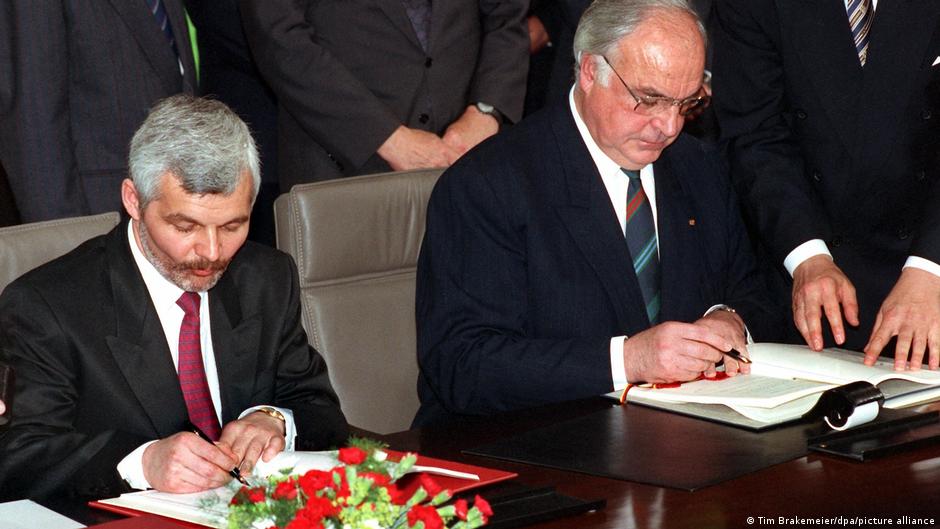
The Treaty on Good Neighborliness, Friendship and Cooperation established a framework for collaboration between Germany and Poland, fostering their roles as allies in NATO and the EU.S1S2
Key points
- The treaty was signed in 1991, marking a significant shift in relations between the two countries.S1S2
- Germany and Poland chose partnership over historical enmity through this agreement.S1S2
- The relationship has evolved within the context of NATO and EU membership.S1S2
- Despite the treaty, the relationship has faced various challenges over the years.S1S2
- Both nations have worked to strengthen their diplomatic ties since the treaty's signing.S1S2
- The treaty is seen as a foundation for ongoing cooperation in various sectors.S1S2
- Germany and Poland's alliance is crucial for regional stability in Europe.S1S2
- The historical context of their relationship influences current political dynamics.S1S2
Why it matters
- The partnership between Germany and Poland is vital for EU cohesion and security.S1S2
- Understanding their relationship helps in analyzing broader European geopolitical trends.S1S2
What to watch
- Monitor developments in EU policies that may affect Germany-Poland relations.S1S2
- Watch for any shifts in diplomatic engagements between the two nations.S1S2