The brief
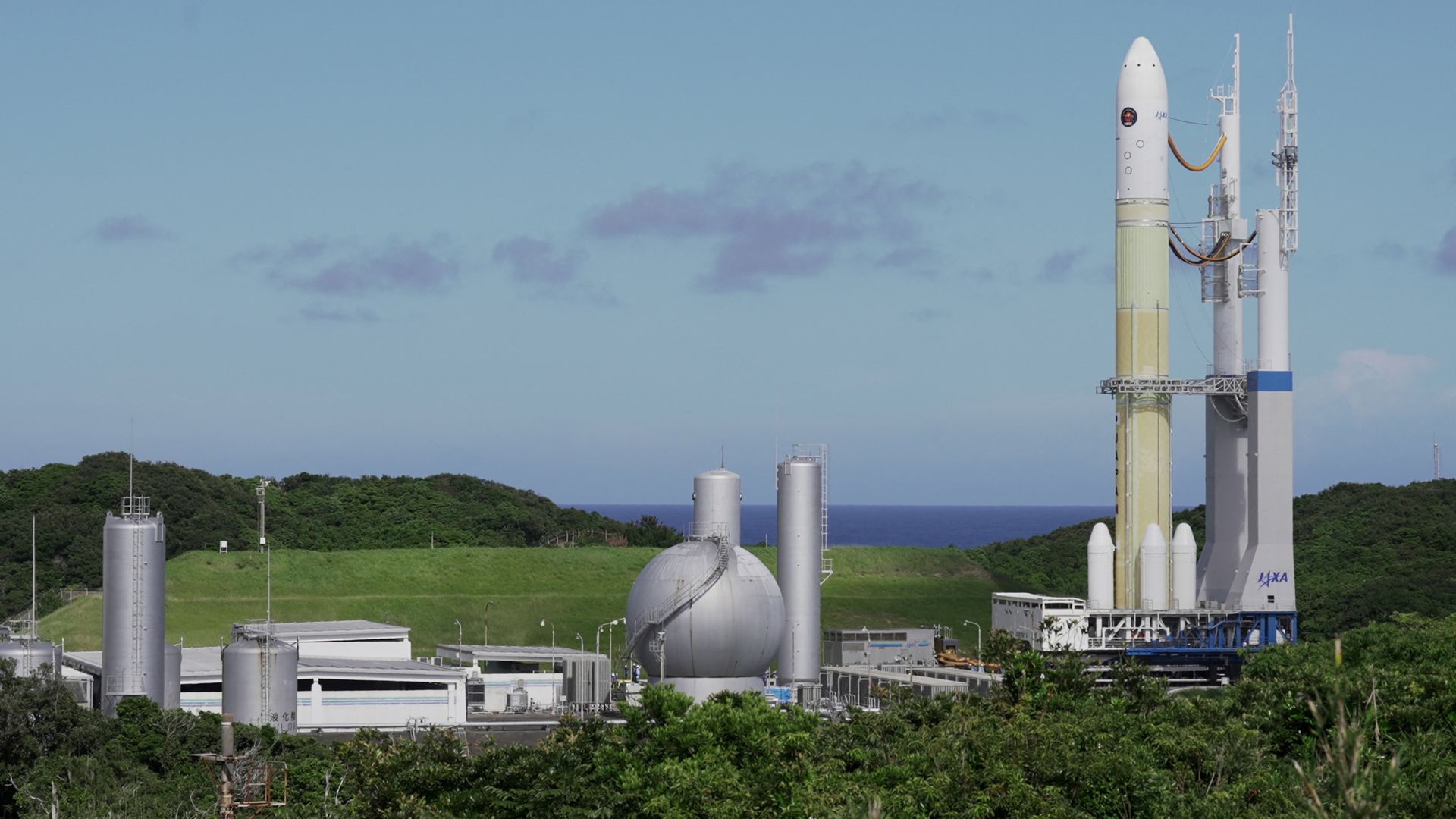
Japan has initiated a significant mission to Mars with the goal of retrieving samples from its moon, Phobos.
Context
This mission represents Japan's commitment to space exploration and aims to enhance understanding of Mars and its moons.S1S2
Key points
- The mission is estimated to cost around $350 million.S1
- Japan's spacecraft is specifically targeting Phobos, the larger of Mars' two moons.S2
- This endeavor marks a groundbreaking step in Japan's space exploration efforts.S2
- The samples collected could provide insights into the formation of Mars and its moons.S1
- The mission reflects Japan's growing capabilities in space technology.S1
- The launch is part of a broader trend of international interest in Mars exploration.S2
- The spacecraft is designed to return samples to Earth for analysis.S1
- This mission may pave the way for future explorations of Mars and its moons.S2
Why it matters
- Retrieving samples from Phobos could advance scientific knowledge about the Martian system.S1
- The mission highlights Japan's role in the global space exploration community.S2
- Understanding Phobos may have implications for future human exploration of Mars.S1
What to watch
- Monitor the progress of the spacecraft as it travels to Mars.S2
- Watch for updates on the scientific findings from the samples once they are returned.S1
- Keep an eye on international reactions to Japan's mission and its implications for space exploration.S2