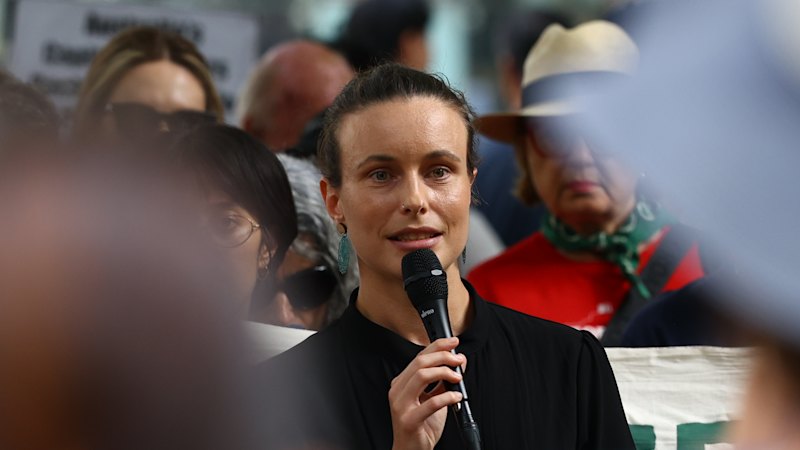
Recent discussions have highlighted the alarming prevalence of threats faced by elected officials, particularly those involving rape and death. These threats, often dismissed as part of the job, have profound effects on the ability of public servants to perform their duties effectively. A growing number of politicians have come forward to share their experiences of stalking and harassment, emphasizing that even unacted threats create a toxic environment that undermines their roles in public service.
The emotional toll of such threats cannot be understated. Elected officials report that the fear and anxiety stemming from these experiences can hinder their decision-making and engagement with constituents. This troubling reality raises questions about the safety and well-being of those who dedicate their lives to public service, as they navigate a landscape increasingly marred by intimidation and violence.S1S2
As the conversation around the safety of public officials continues, it is clear that systemic changes are necessary to address these issues. Advocates are calling for stronger protections and support systems to ensure that those who serve in government can do so without the looming threat of violence. The need for comprehensive strategies to combat this culture of fear is more pressing than ever, as the integrity of democratic institutions relies on the safety and effectiveness of their representatives.S1S2