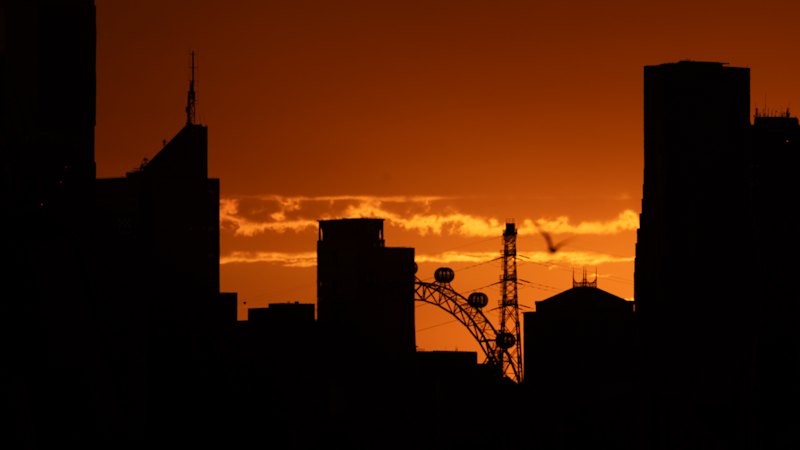
As Melbourne braces for another hot summer, health experts are raising alarms about the potential consequences of rising temperatures on the city's ageing population. With the average age of residents increasing, the risks associated with extreme heat, including heart attacks and premature births, are becoming more pronounced. Experts emphasize that the city must urgently address these challenges through a comprehensive overhaul of urban spaces to mitigate health risks and improve resilience against climate change.
The urgency of this situation is underscored by projections indicating that Melbourne's average temperatures will continue to rise, exacerbating existing health vulnerabilities. The combination of an ageing demographic and intensifying heat waves could lead to a significant increase in heat-related illnesses, putting additional pressure on healthcare systems already stretched thin. As such, experts are calling for immediate action to enhance urban infrastructure, including more green spaces and better cooling systems, to protect residents during extreme weather events.S1S2
In light of these warnings, city planners and policymakers are being urged to prioritize sustainable development strategies that not only address current needs but also prepare for future climate scenarios. This includes investing in shaded public areas, improving public transportation, and ensuring that vulnerable populations have access to cooling centers during heat waves. Without these critical adaptations, Melbourne risks facing severe public health crises as summer temperatures continue to climb.S1S2