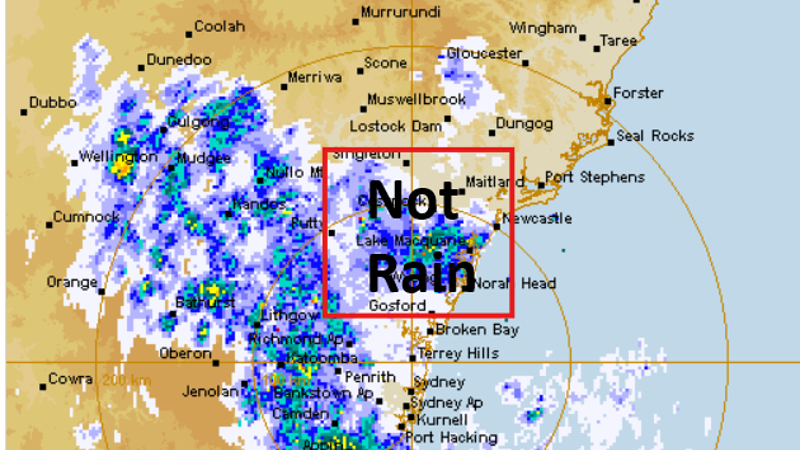
In an unusual meteorological event, swarms of moths have been detected on weather radar across Australia, leading to confusion among meteorologists who initially mistook the massive gatherings for rain clouds. This phenomenon, which has been observed in various regions, highlights the challenges faced by weather forecasting technology in accurately interpreting natural occurrences. The moths, drawn to lights and urban areas, have created a spectacle that not only baffles weather experts but also raises questions about the impact of such swarms on local ecosystems and agriculture.
The extraordinary presence of these moth swarms could play a crucial role in the survival of certain insect populations, particularly as they coincide with seasonal changes that affect breeding and feeding patterns. As these insects gather in large numbers, they may inadvertently provide food for predators and help maintain ecological balance. This unexpected twist in the life cycle of the moths has sparked interest among entomologists and environmentalists, who are keen to study the implications of such phenomena on biodiversity.S1S2
Meteorologists are now working to refine their radar systems to distinguish between weather-related phenomena and biological events like these moth swarms. This could lead to improved forecasting accuracy, which is essential for agriculture and disaster management. As researchers delve deeper into the behavior of these moths and their interactions with the environment, the findings may offer insights into the broader implications of climate change on insect populations and their habitats.S1S2