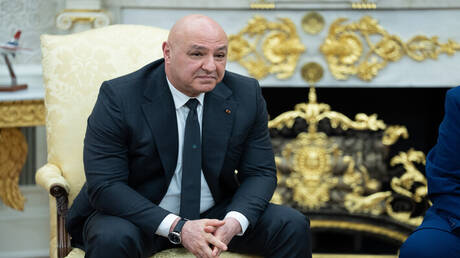
In a strong declaration today, Lebanese President Joseph Aoun emphasized that Lebanon will not serve as a battleground for external conflicts. This statement comes amid ongoing regional tensions, where Lebanon has often found itself in the crossfire of foreign interests and struggles. Aoun's remarks reflect a broader sentiment within the country, aiming to assert Lebanon's sovereignty and independence from external influences.
During a commemoration of the 36th anniversary of the assassination of prominent political figure Danny Chamoun, President Aoun reiterated the lessons learned from Lebanon's tumultuous past, particularly the civil war, which underscored the importance of maintaining national integrity. He stated, "The years of war taught us that Lebanon cannot be a playground for others' wars," reinforcing the idea that Lebanon must chart its own course free from foreign domination.S2S3
This assertion comes at a time when Lebanon is grappling with significant internal challenges, including economic instability and political fragmentation. Aoun's call for unity and national sovereignty resonates with many Lebanese citizens who are weary of the country's historical entanglements with regional powers. The president's remarks are likely to influence ongoing discussions about Lebanon's foreign policy and its role in the Middle East.S1S2
As Lebanon navigates these complex dynamics, the government faces pressure to establish a clearer stance on its international relations, particularly with neighboring countries and global powers. The upcoming parliamentary sessions are expected to address these issues, as lawmakers seek to define Lebanon's position in an increasingly polarized region. Aoun's statements may serve as a rallying point for those advocating for a more independent foreign policy.S3