🌐 World · English ▾
Current: 🌐 World · English
Global
Focused
Language
Thursday 29 October
🌐 World · English ▾
Current: 🌐 World · English
Global
Focused
Language

Israel's Upcoming Election and Its Implications for Regional Policy

Israel
The brief

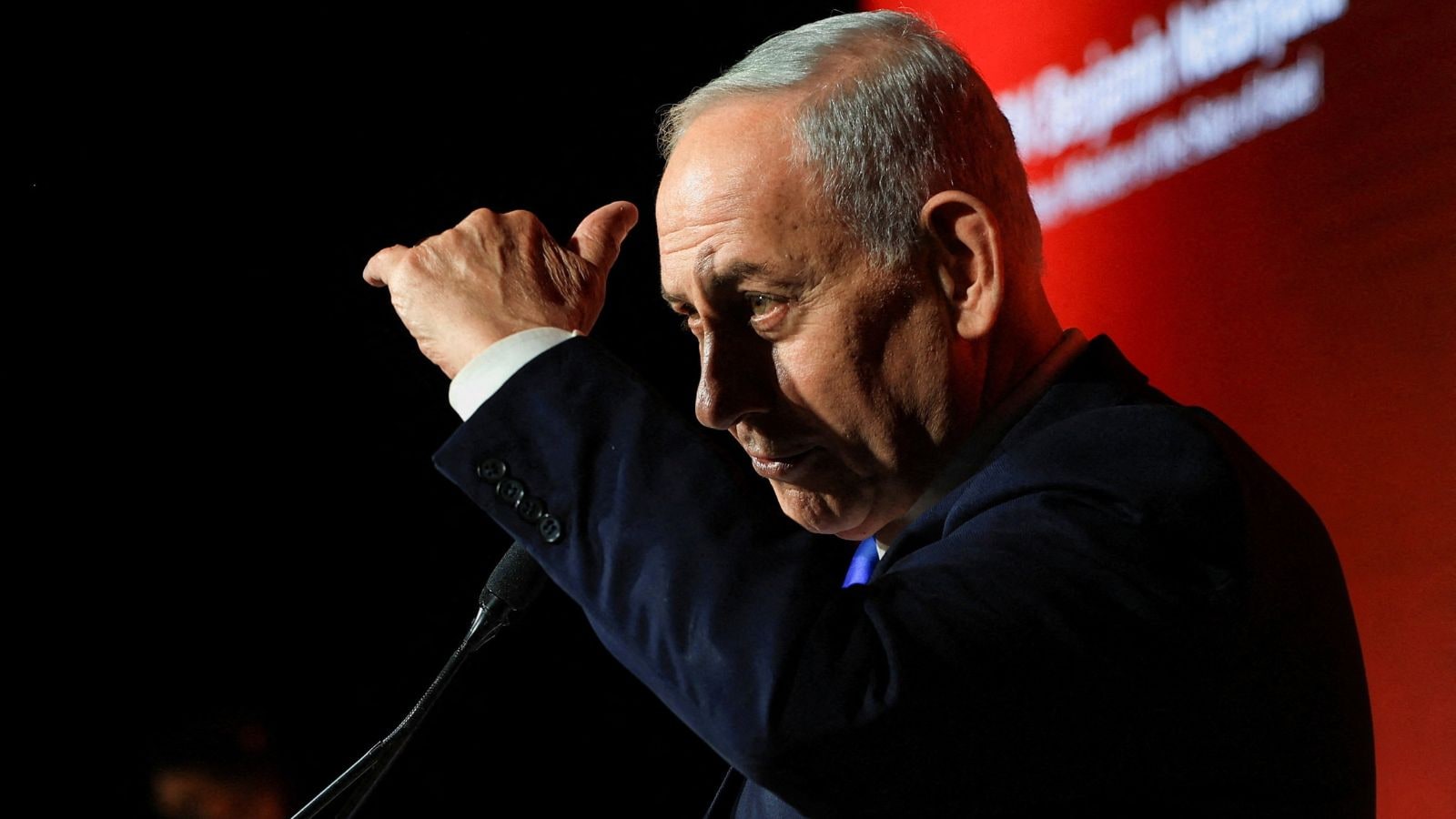
As Israel approaches its election next week, the potential for a shift in leadership raises questions about the future of its regional policies, particularly regarding Iran and the ongoing conflict with Hamas. Analysts suggest that while a new leader may emerge, the foundational strategies guiding Israel's approach to Iran and Palestinian statehood are unlikely to change significantly. The recent attacks on southern Israeli communities by Hamas on October 7, 2023, have intensified the perception of Iran as Israel's primary adversary, reinforcing a military-first approach to security rather than diplomatic initiatives.

The implications of this election extend beyond Israel's borders, with regional powers from Tehran to Riyadh closely monitoring the situation. Observers note that the election serves as a litmus test for the broader Middle East, assessing whether it can break free from its entrenched cycles of conflict. However, the prevailing sentiment is that even if there is a change in leadership, the hardening of security priorities and the diminishing role of diplomacy suggest that the overall strategy will remain steadfast. This continuity in policy reflects a broader consensus among regional policymakers that military action will continue to be prioritized over negotiations.S2

As the election draws near, the stakes are high. The outcome may shape not only Israel's internal political landscape but also its interactions with neighboring countries and its handling of the Palestinian issue. With the backdrop of increased tensions and security challenges, the next Israeli government will likely face pressure to maintain a strong stance against perceived threats, particularly from Iran. This context underscores the complexity of the situation, where leadership changes may not translate into significant policy shifts, particularly regarding longstanding conflicts and regional dynamics.S1S2

Timeline · newest first
1w Al Monitor

Analysis-Israel's election may change its leader, but not Iran war policy

By Samia NakhoulDUBAI, Oct 21 (Reuters) - Israel's election next week may change its leader, but not its strategy: Iran will remain its chief adversary, military force will continu…

1w Cnbctv18

Israel's election may change its leader, but not Iran war policy

From Tehran to Riyadh, Israel’s election is being watched as a test of whether the Middle East can break from its cycle of conflict. But with security priorities hardening and dipl…

Israel's Upcoming Election and Its Implications for Regional Policy

2 outlets 2 reports
The brief

As Israel approaches its election next week, the potential for a shift in leadership raises questions about the future of its regional policies, particularly regarding Iran and the ongoing conflict with Hamas. Analysts suggest that while a new leader may emerge, the foundational strategies guiding Israel's approach to Iran and Palestinian statehood are unlikely to change significantly. The recent attacks on southern Israeli communities by Hamas on October 7, 2023, have intensified the perception of Iran as Israel's primary adversary, reinforcing a military-first approach to security rather than diplomatic initiatives.

The implications of this election extend beyond Israel's borders, with regional powers from Tehran to Riyadh closely monitoring the situation. Observers note that the election serves as a litmus test for the broader Middle East, assessing whether it can break free from its entrenched cycles of conflict. However, the prevailing sentiment is that even if there is a change in leadership, the hardening of security priorities and the diminishing role of diplomacy suggest that the overall strategy will remain steadfast. This continuity in policy reflects a broader consensus among regional policymakers that military action will continue to be prioritized over negotiations.S2

As the election draws near, the stakes are high. The outcome may shape not only Israel's internal political landscape but also its interactions with neighboring countries and its handling of the Palestinian issue. With the backdrop of increased tensions and security challenges, the next Israeli government will likely face pressure to maintain a strong stance against perceived threats, particularly from Iran. This context underscores the complexity of the situation, where leadership changes may not translate into significant policy shifts, particularly regarding longstanding conflicts and regional dynamics.S1S2
Timeline · newest first

Sources · 2 citations

S1 Al Monitor 1 report · EN
S2 Cnbctv18Lead 1 report · EN