In a significant diplomatic development, Russian President Vladimir Putin has expressed his agreement to resume trilateral negotiations with Ukraine and the United States, aimed at finding a resolution to the ongoing conflict. This announcement was made public amidst rising tensions and ongoing military engagements in the region, highlighting a potential shift in the approach to peace talks. The discussions are expected to focus on key issues that have hindered progress in the past, including territorial disputes and security guarantees.
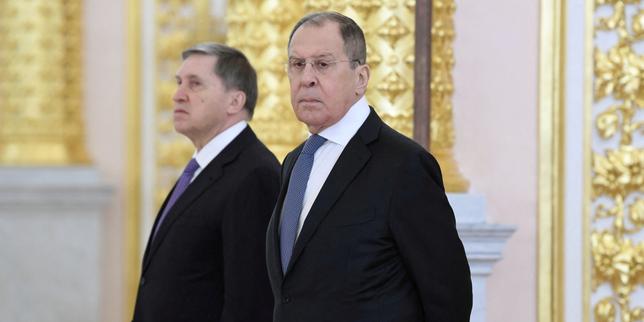
Yuri Ushakov, a senior foreign affairs adviser to Putin, indicated that the Russian leader has stated that peace talks will continue "in principle" after November 10. This timeline suggests a renewed commitment to dialogue, although the specifics of what will be discussed remain unclear. The willingness to engage in negotiations comes at a time when both Ukraine and the US have been advocating for a more structured approach to ending hostilities, which have persisted for months with devastating consequences for civilians and infrastructure.S2
The announcement of these trilateral talks has been met with cautious optimism from various international observers, who see this as a crucial opportunity for de-escalation. However, the effectiveness of these negotiations will largely depend on the willingness of all parties to make concessions and address the underlying issues that have fueled the conflict. As the date for the talks approaches, the international community will be closely monitoring developments to gauge the potential for a lasting peace agreement.S1S2