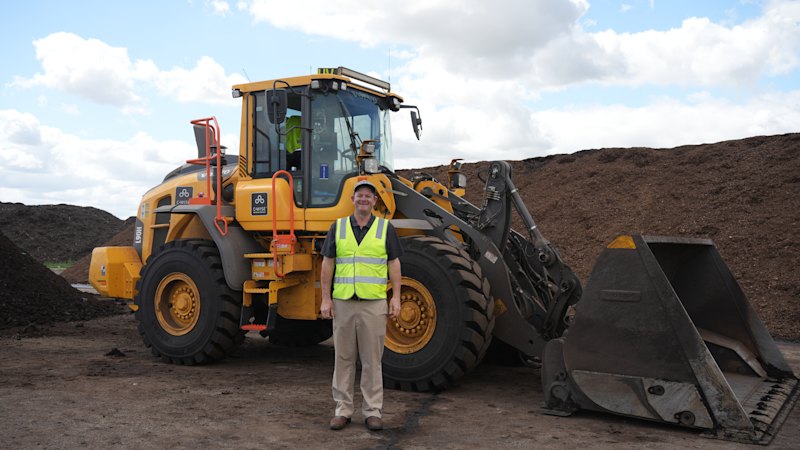
In a significant push towards sustainable agriculture, recycling chief Greg Watts has called for tougher waste management laws and increased landfill fees in Australia. This advocacy comes on the heels of successful farm trials that demonstrate compost can perform on par with traditional fertilizers, suggesting a viable alternative that could benefit both farmers and the environment. The trials have shown that compost not only supports crop growth but also enhances soil health, making it a compelling choice for agricultural practices.
Watts emphasizes that the current waste management framework is inadequate in promoting sustainable practices, urging policymakers to implement stricter regulations that would encourage composting and reduce reliance on chemical fertilizers. By raising landfill fees, he argues, the financial incentive to recycle organic waste into compost would be strengthened, potentially transforming waste management into a more circular economy.S1S2
The initiative aligns with broader environmental goals, as composting not only reduces landfill waste but also contributes to carbon sequestration in the soil. As farmers increasingly recognize the benefits of compost, the call for legislative change gains momentum, with stakeholders advocating for a system that supports sustainable farming while addressing the pressing issue of waste management in urban and rural areas alike.S1S2
Looking ahead, the conversation around these proposed changes is expected to intensify, particularly as agricultural sectors seek to adapt to climate change and environmental regulations. With the trials demonstrating the effectiveness of compost, the next steps may involve a collaborative effort among farmers, policymakers, and recycling advocates to shape new laws that reflect these findings and promote a greener future for agriculture in Australia.S1S2