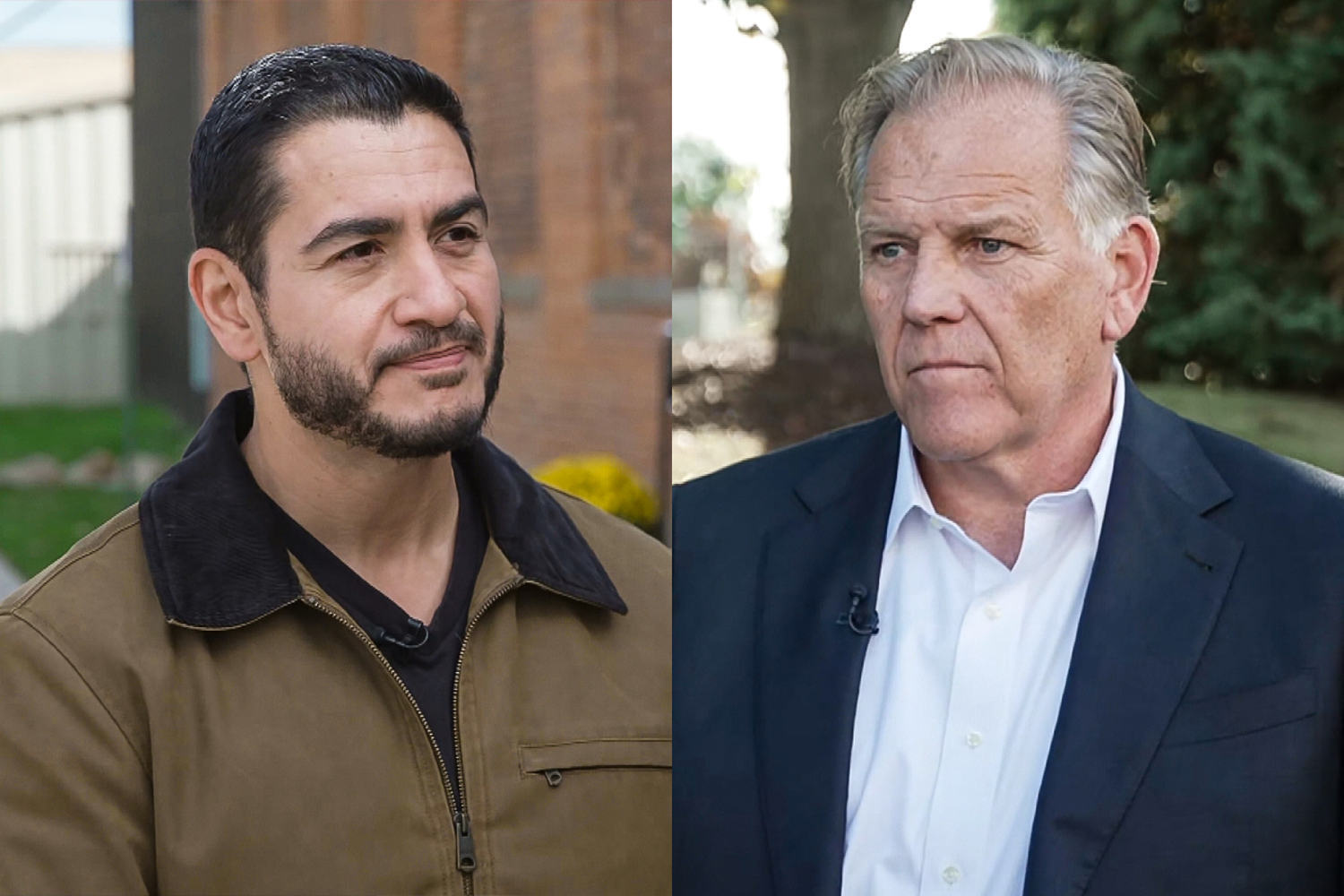
In a heated debate for the Michigan Senate seat, Republican candidate Mike Rogers accused his Democratic opponent, Abdul El-Sayed, of having ties to the Muslim Brotherhood, labeling him a national security risk. Rogers's remarks came during a contentious exchange where he questioned El-Sayed's loyalty to the United States, asking, "If you are going to go to the United States Senate, we need to know, are you for America? Or are you for these terrorist groups overseas?" This accusation has sparked significant controversy, as it touches on sensitive issues of national security and political allegiance in a state with a substantial Muslim population.
Rogers's claims were part of a broader strategy to differentiate himself from El-Sayed, who is a well-known figure in Michigan politics and has previously served as the state’s health director. The debate highlighted not only personal attacks but also a clash of ideologies, with Rogers emphasizing a tough stance on national security while El-Sayed defended his record and criticized Rogers for what he deemed fear-mongering tactics. The implications of such accusations could resonate with voters concerned about national security, especially in the context of rising political polarization.S1S2
The debate, held in the lead-up to the November elections, is critical for both candidates as they seek to secure votes in a competitive race. Rogers's approach appears aimed at rallying support among conservative voters who may be wary of El-Sayed's progressive policies and background. As the campaign progresses, both candidates are expected to intensify their rhetoric, focusing on key issues such as healthcare, economic recovery, and national security, which are likely to dominate voter concerns in the coming weeks.S1S2