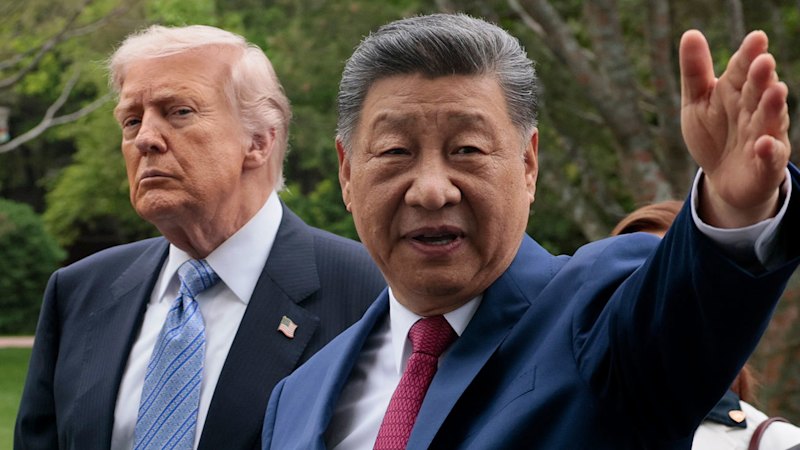
The world is currently grappling with a series of interconnected crises that have created a sense of instability and uncertainty. From the erratic leadership of former President Donald Trump in the United States to the aggressive posturing of Russian President Vladimir Putin, the global landscape is marked by tension and unpredictability. This situation is compounded by China's mercantilist economic policies, which have raised concerns among trading partners and contributed to a volatile international market. These factors, combined with ongoing wars that have far-reaching implications, have led to a toxic global cocktail that affects nations and individuals alike.
In addition to geopolitical tensions, rising debt levels across many countries are straining economies. Governments are struggling to manage their finances while facing the dual challenges of inflation and the high costs of living, which have skyrocketed in recent years. This economic pressure is felt by citizens worldwide, leading to increased dissatisfaction and unrest. The intertwining of these issues creates a complex environment where political decisions are heavily influenced by economic realities, and vice versa.S1S2
As these global challenges continue to unfold, the implications for international relations and domestic policies are significant. The interconnectedness of these crises means that actions taken by one nation can have ripple effects across the globe. With leaders facing mounting pressures from their constituents to address these issues, the coming months will likely see a push for more coordinated efforts to tackle these multifaceted problems. As countries navigate this precarious landscape, the need for effective diplomacy and strategic economic planning will become increasingly critical.S1S2