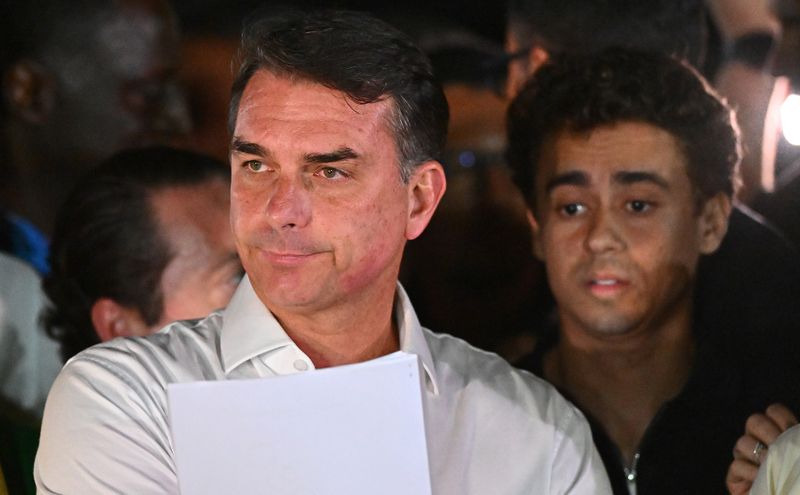
Nigeria is gearing up for its presidential and National Assembly elections scheduled for January 16, 2027, followed closely by governorship and State Houses of Assembly elections on February 6. The timeline for these elections has been officially set, marking a crucial period in the country's democratic process as it approaches the new electoral cycle.
However, the lead-up to the 2027 elections is marred by concerns over potential violence. Pro-democracy activists have highlighted a troubling trend of pre-election violence that has already begun to surface across various states in Nigeria. This unrest poses a significant threat to the integrity of the electoral process and the safety of voters, raising alarms about the need for effective measures to prevent further escalation as the election dates draw nearer.S2
In light of these challenges, there is a growing call for proactive strategies to mitigate risks associated with post-election violence, which has historically plagued Nigeria's electoral landscape. Activists emphasize the importance of fostering a peaceful environment to ensure that the upcoming elections can be conducted fairly and without incident, underscoring the critical role that civil society and governmental bodies will play in this effort.S2