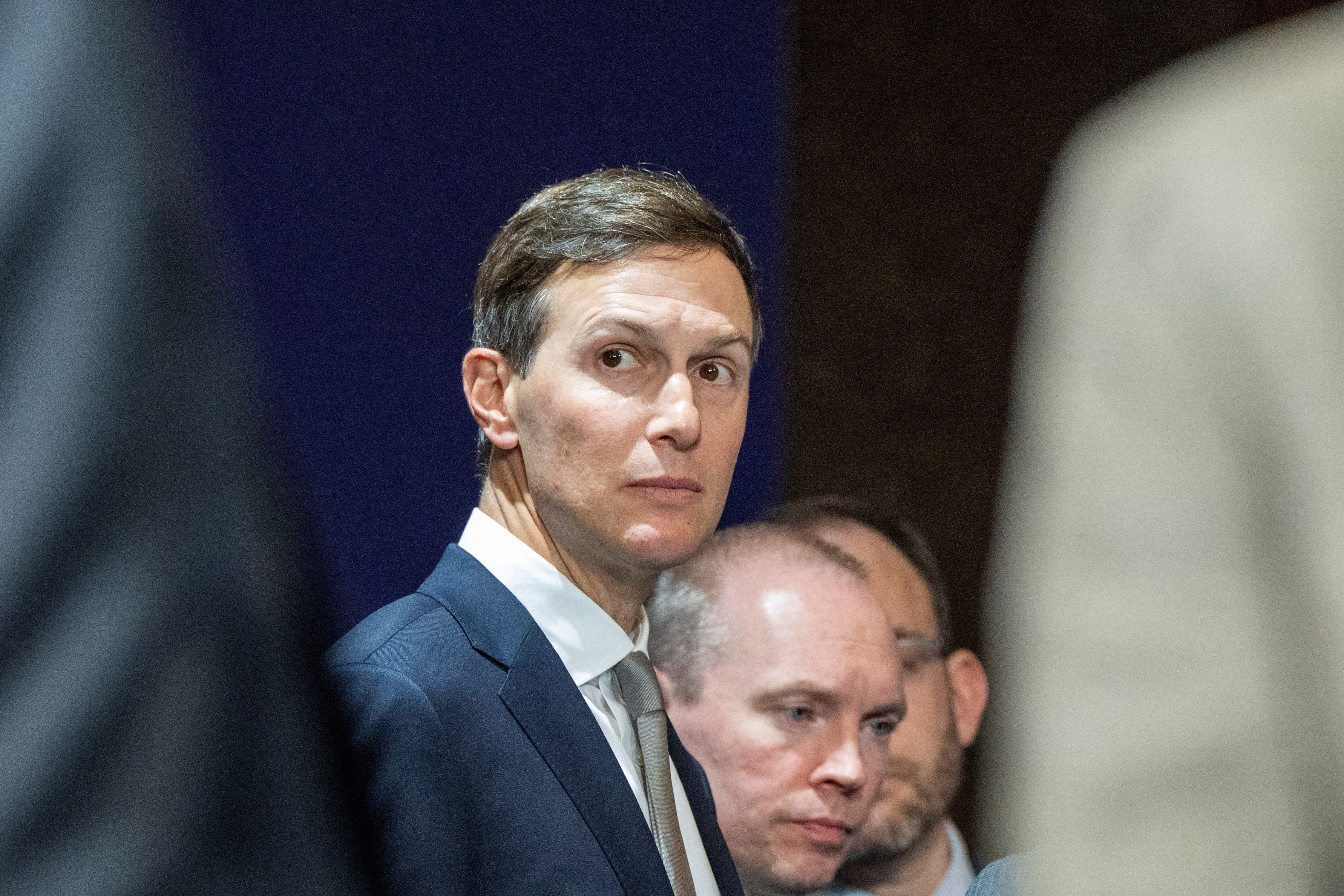
Jared Kushner, the son-in-law and senior adviser to former President Donald Trump, reportedly had access to bank accounts containing billions of dollars linked to the United Arab Emirates (UAE) and Saudi Arabia. This access included funds that were held in an Israeli bank account, raising significant concerns about the implications of such financial ties during his time in the White House. According to sources familiar with the arrangements, Kushner was perceived as seeking shortcuts in his diplomatic efforts, promising to advance the agendas of UAE Crown Prince Mohammed bin Zayed (MBZ) and Saudi Crown Prince Mohammed bin Salman (MBS) to Trump.
The revelations about Kushner's financial dealings come at a time when scrutiny of foreign influence in U.S. politics is heightened. The access to these substantial funds has led to questions about potential conflicts of interest and the motivations behind Kushner's policy decisions during his tenure. His role in facilitating the Abraham Accords, which normalized relations between Israel and several Arab nations, is now being re-examined in light of these financial connections.S1
As investigations into the financial dealings of former Trump administration officials continue, the implications of Kushner's access to billions in foreign funds remain a topic of intense discussion. Analysts are particularly interested in how this access may have influenced U.S. foreign policy in the Middle East, particularly regarding Israel and its relations with its Arab neighbors. The situation underscores the complex interplay between finance and diplomacy in international relations, especially in a region as volatile as the Middle East.S2