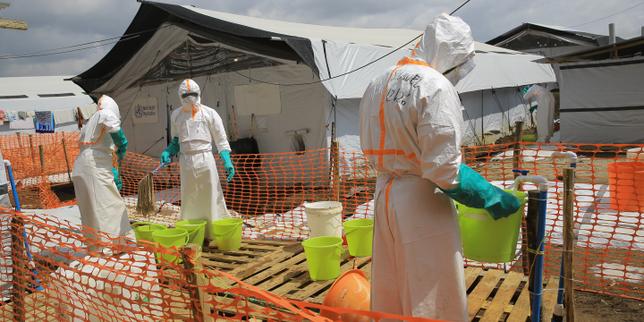
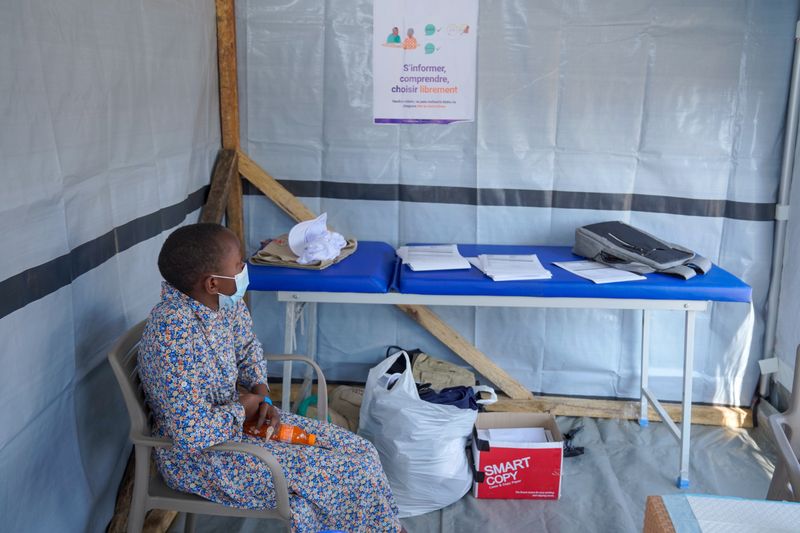
The World Health Organization has announced the commencement of the first clinical trial for an Ebola vaccine in response to the ongoing outbreak in the Democratic Republic of Congo. This outbreak, described as the worst in the country’s history, has seen over 9,700 reported cases and more than 4,600 deaths, highlighting the urgent need for effective vaccines and treatments against the Bundibugyo species of the virus, which has not yet been addressed with approved medical interventions.
On Friday, participants in Bunia, a city in northeastern DR Congo, received the new vaccine named Tumaini, which translates to 'hope' in Swahili. WHO chief Tedros Adhanom Ghebreyesus expressed optimism about the trial, stating on social media that "science gives us hope" as the vaccination process began. The Tumaini trial represents a significant step forward in the global fight against Ebola, particularly given the challenges faced in combating this specific strain of the virus.S2
The initiation of this trial comes at a critical juncture as health authorities grapple with the severe implications of the outbreak, which has already overwhelmed local healthcare systems. The lack of existing vaccines or treatments for the Bundibugyo strain has compounded the difficulties in managing the crisis, making the success of the Tumaini trial vital for future Ebola responses. Health officials and researchers are hopeful that this trial could pave the way for effective vaccines to be developed and deployed in the region.S1
As the trial progresses, the response from the international community and local health organizations will be closely monitored, with the hope that it will lead to a breakthrough in combating not only the current outbreak but also future Ebola threats. The WHO and other stakeholders are committed to ensuring that the findings from this trial are shared globally to enhance preparedness and response strategies for similar outbreaks in the future.S2