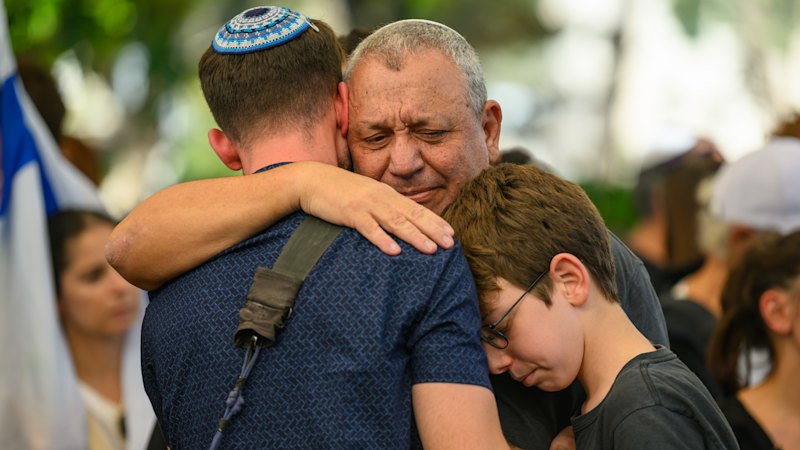
In the wake of the October 7 attack, a group of survivors is stepping into the political arena, aiming to secure seats in the Israeli parliament. These individuals are not only grappling with the trauma of their experiences but are also driven by a desire to influence the future of their country. They have faced the horrors of conflict, fought against Hamas terrorists, mourned the loss of loved ones, and advocated tirelessly for the release of relatives taken captive during the assault. Their personal narratives are now intertwined with their political ambitions, as they seek to represent their communities and push for change in a deeply affected society.
The October 7 attack has left an indelible mark on the lives of many Israelis, prompting these survivors to channel their grief and anger into political action. As they prepare for elections, their campaigns are fueled by the urgent need for security reforms and a more robust response to threats. The candidates are leveraging their harrowing experiences to connect with voters, emphasizing the importance of resilience and unity in the face of adversity. Their stories resonate with many who have felt the impact of violence and instability, making their candidacies particularly poignant in the current political climate.S1S2
As the election approaches, these candidates are not only advocating for their personal causes but also addressing broader issues that have emerged in the aftermath of the attack. They are pushing for policies that prioritize national security, support for victims of terrorism, and a renewed focus on community resilience. The political landscape in Israel is shifting, with these survivors representing a new wave of leadership that seeks to emerge from the shadows of tragedy and into a role of influence and governance. Their journey from victims to candidates is a testament to their determination to reshape the future of their nation.S1S2


