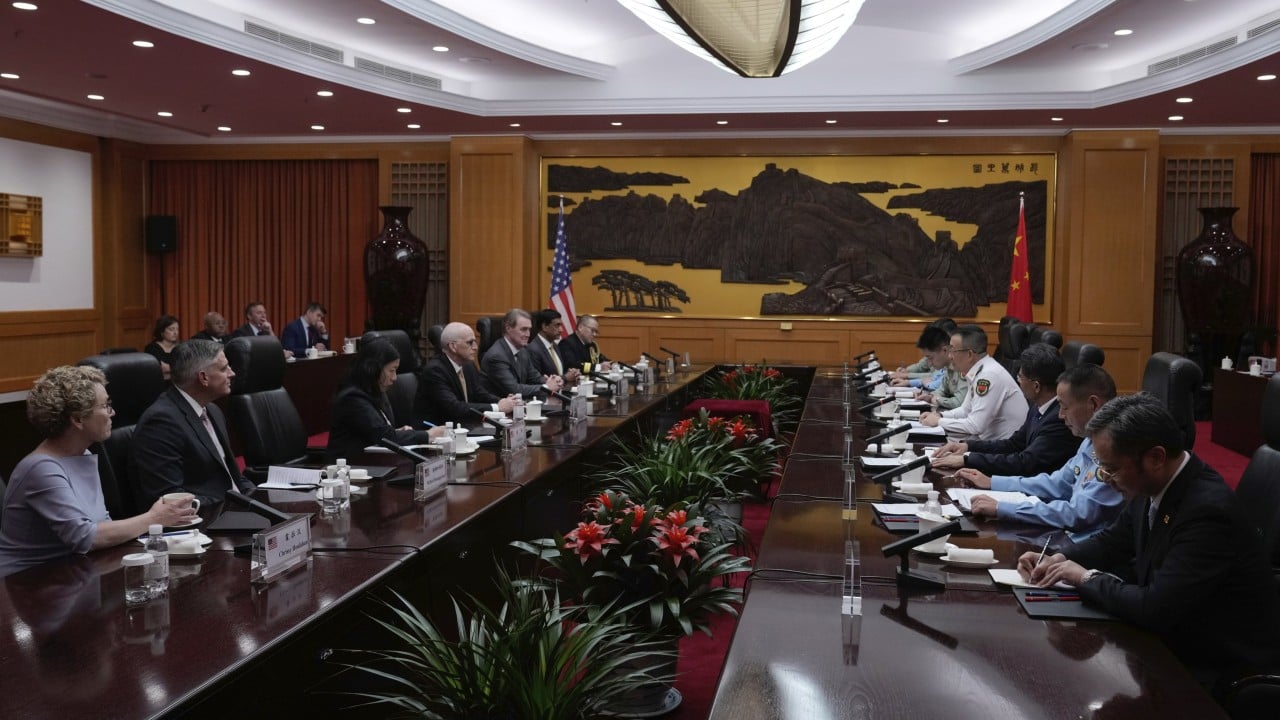
Recent discussions surrounding U.S.-China relations have intensified, particularly in light of a notable decline in visits by U.S. officials to China. Grant Newsham, a retired U.S. Marine colonel and security analyst, expressed his concerns during an interview that aired last month, suggesting that the United States may be misreading Beijing's intentions and capabilities. He characterized China's economic rise as "illusory," highlighting that a staggering 600 million Chinese people live on less than $5 a day, which he claims reflects deeper issues within the Chinese economy.
Newsham's remarks sparked considerable online backlash, with critics arguing that his statistics were outdated, referencing figures from 2020. Some commentators pointed out that his analysis failed to consider variations in purchasing power across different regions of China, suggesting that uneven development is a common phenomenon in many countries. This debate underscores the complexities of accurately assessing China's economic landscape and the potential misinterpretations that can arise from simplified narratives.S2
As the Biden administration navigates its foreign policy, the implications of declining diplomatic visits to China could be significant. Experts warn that a lack of direct engagement may lead to misunderstandings and exacerbate tensions between the two nations. The upcoming months are critical as both countries prepare for potential dialogues that could address these growing concerns and clarify their respective positions on various global issues.S1