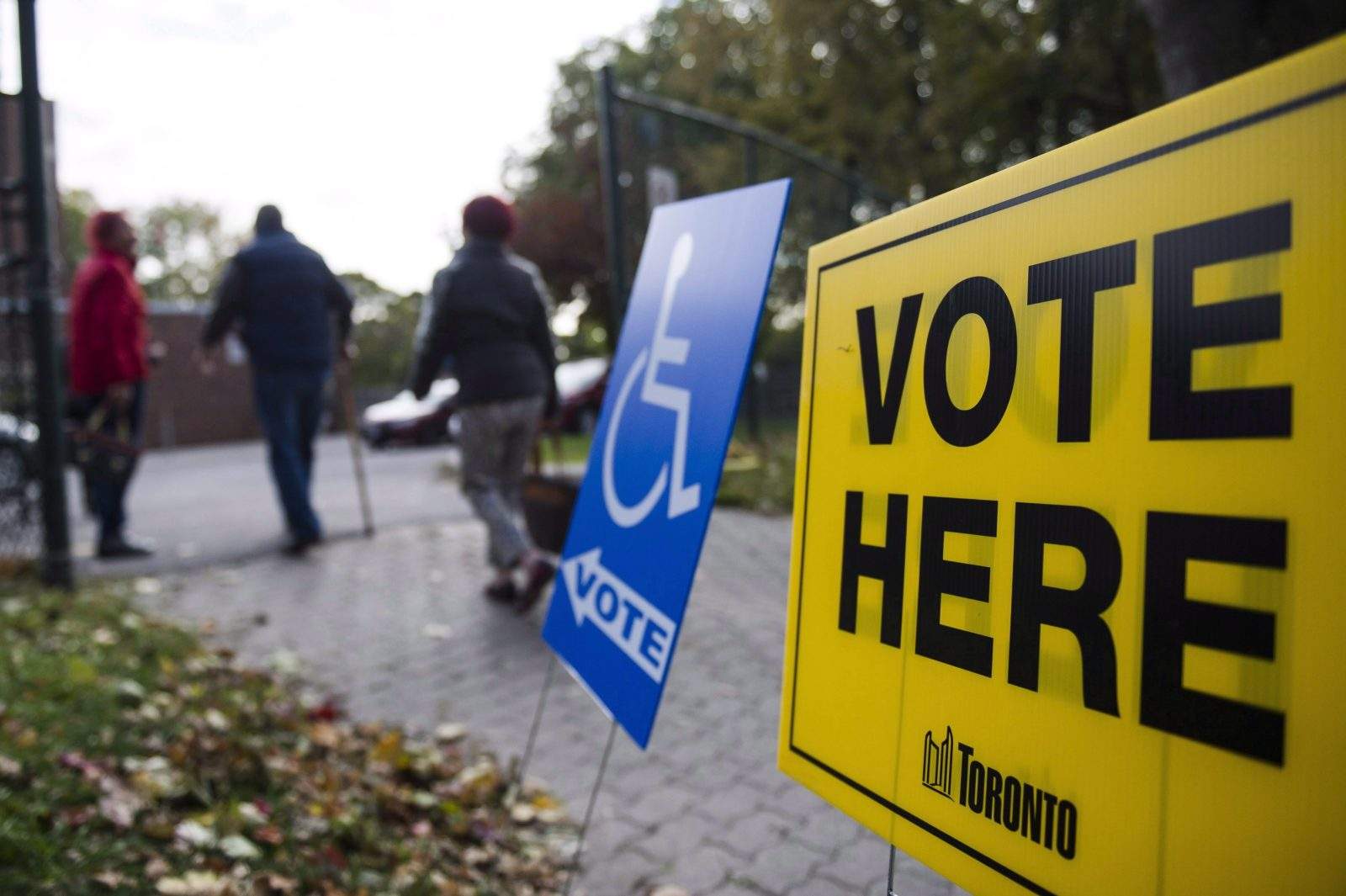
As Ontario gears up for its 2026 municipal elections, a growing number of voters are turning to AI chatbots to help inform their decisions. This trend mirrors a similar phenomenon observed during Quebec's provincial election, where researchers estimated that approximately 40 percent of voters utilized AI chatbots, often receiving false and outdated information about the electoral process. This raises concerns about the reliability of information being disseminated through these digital platforms, as misinformation could significantly impact voter choices.
Among those exploring this technology is Eric Apps, a lawyer in Toronto, who sought a second opinion from an AI chatbot regarding his voting preferences. Apps had a preliminary idea of his voting intentions but wanted to ensure he was making an informed decision. His experience highlights a shift in how voters are seeking information, with AI chatbots becoming a modern tool in the electoral process, despite the risks associated with the accuracy of the information provided.S2
The increasing reliance on AI chatbots for electoral guidance raises important questions about the future of voter engagement and the integrity of information. With the potential for misinformation to spread rapidly through these platforms, it is crucial for both voters and election officials to understand the implications of using AI in political contexts. As the 2026 municipal elections approach, the discourse surrounding the use of technology in voting will likely intensify, prompting discussions on how to ensure that voters receive accurate and timely information.S1S2