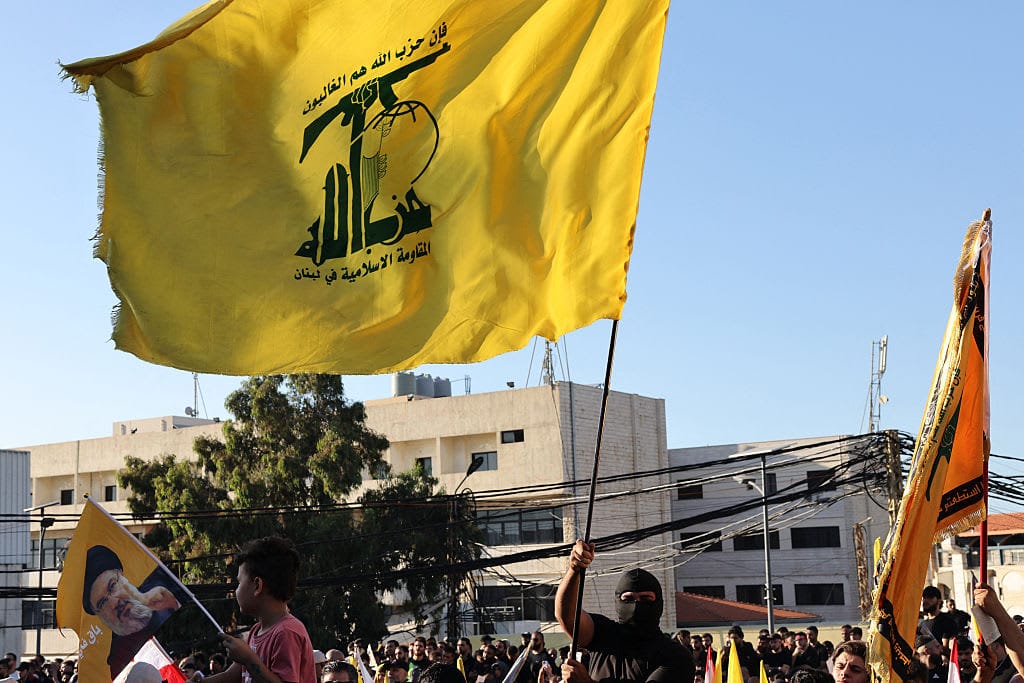
A recent poll has revealed a significant shift in sentiment among Lebanese Shi'ites regarding Hezbollah, with 66% expressing support for transferring the group's weapons to the state. This change reflects a growing dissatisfaction with the destruction caused by ongoing conflicts and a deepening skepticism towards the leadership of Hezbollah, which has long been a dominant force in Lebanese politics and society.
The poll results indicate that the majority of the Shi'ite community, traditionally seen as a stronghold for Hezbollah, are increasingly questioning the effectiveness and direction of the group. The rising anger over the devastation wrought by war has catalyzed this shift, suggesting that many Lebanese Shi'ites are seeking a more stable and accountable governance structure that does not rely on armed factions.S1
This transformation in public opinion could have significant implications for Hezbollah's future, particularly as it faces internal and external pressures. The group's leadership may need to address these concerns to maintain its influence and legitimacy within the community it has historically represented. As the political landscape in Lebanon continues to evolve, the call for disarmament may signal a pivotal moment in the relationship between Hezbollah and the Lebanese state.S2