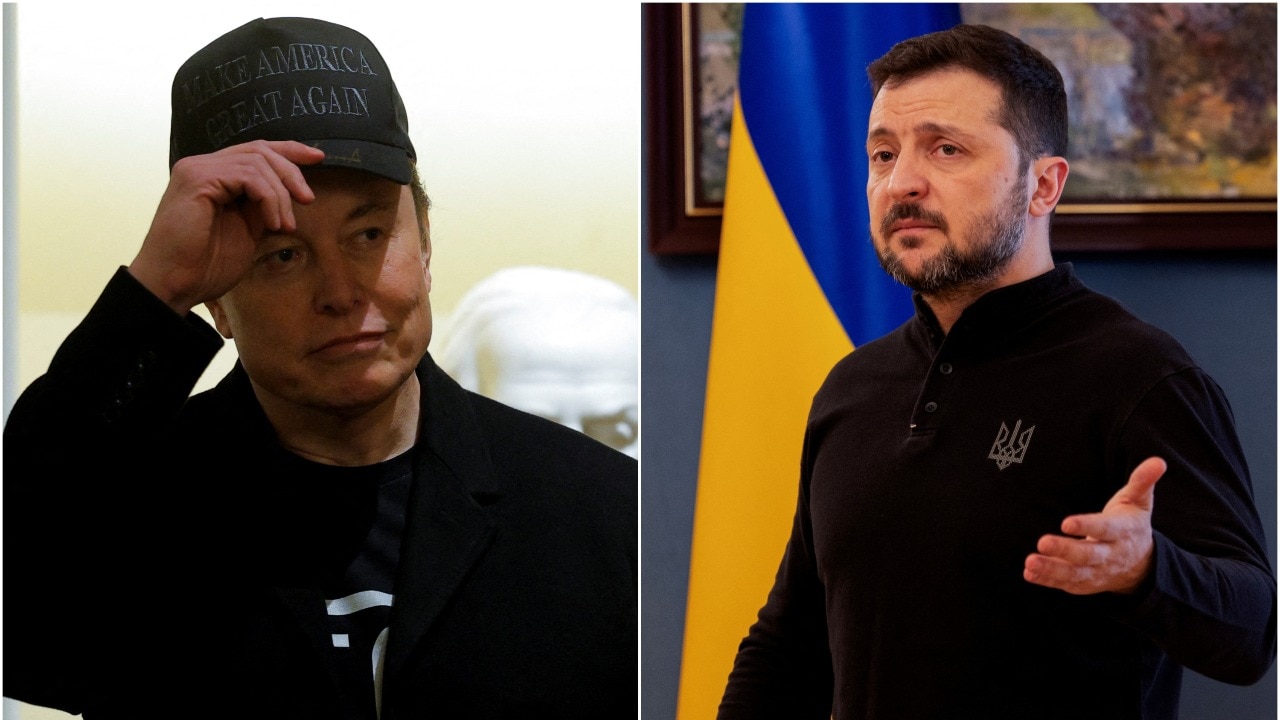
Elon Musk has stated that Ukraine misused the Starlink satellite internet service for offensive drone strikes, a claim he made as service was restored in the country. This assertion comes after Musk's company, SpaceX, had previously restricted the speed of Starlink in Ukraine, a move that disrupted critical communications for Ukrainian defense operations against Russia. Musk's comments highlight ongoing tensions regarding the use of technology in warfare and the responsibilities of service providers in conflict zones.
The restoration of Starlink service follows a period of throttling that Musk confirmed was implemented by SpaceX. This throttling affected operations crucial for Ukraine's defense, particularly as the country continues to engage in combat against Russian forces. Musk's admission raises questions about the ethical implications of such restrictions and the role of private companies in military conflicts, especially when their technology is integral to national security.S2
As the situation evolves, the implications of Musk's statements are significant, not just for Ukraine but for other nations relying on commercial satellite services for military purposes. The balance between corporate responsibility and national defense is increasingly scrutinized, especially in light of Musk's dual role as a technology innovator and a key player in geopolitical dynamics. The ongoing conflict in Ukraine continues to serve as a critical backdrop for these discussions, emphasizing the intersection of technology and warfare.S1S2


