The brief
Cuba is facing a severe power and fuel crisis that has led to widespread discontent among residents in Havana, who are increasingly vocal against their government.
Context
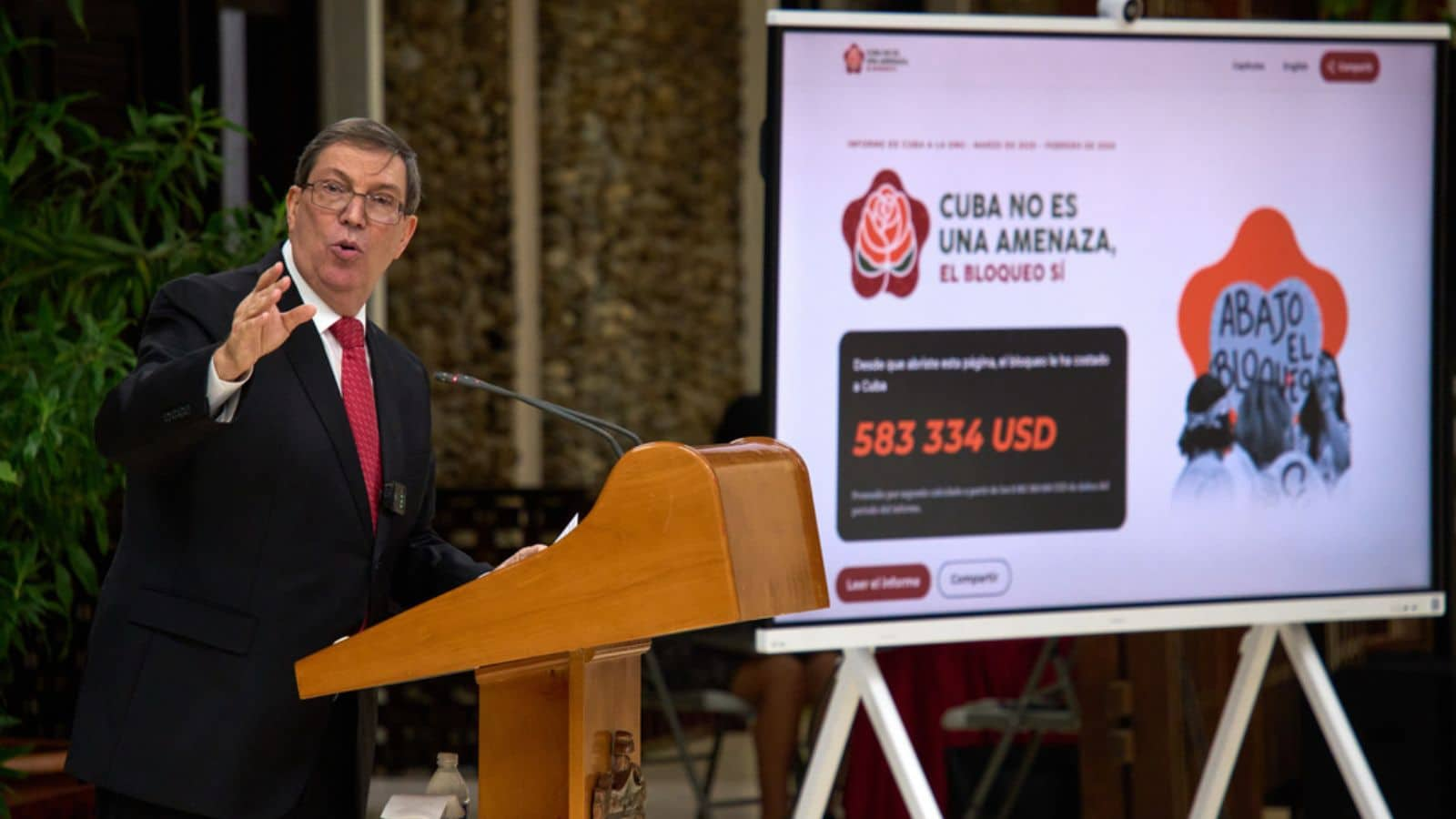
The crisis has been exacerbated by a US oil blockade implemented earlier this year, impacting the country's ability to secure necessary resources.S1
Key points
- Residents in Havana are expressing frustration over the government's handling of the crisis.S1
- The power crisis has left many Cubans struggling to cope with basic needs.S1
- Electricity is being rationed, leading to significant disruptions in daily life.S2
- The Cuban government has announced economic reforms in response to external pressures.S2
- Despite reforms, the situation on the ground remains chaotic and challenging for many.S2
- The crisis has intensified feelings of discontent towards the communist regime.S1
- Havana residents are increasingly turning against their government amid the crisis.S1
- The US oil blockade is a significant factor contributing to the current crisis.S1
Why it matters
- The power crisis highlights the vulnerabilities of Cuba's economy and governance.S1
- Growing discontent among residents may lead to increased political instability.S1
- The situation could impact international relations, particularly with the US.S1
What to watch
- Monitor how the Cuban government responds to the growing unrest among citizens.S1
- Watch for developments regarding the US oil blockade and its effects on Cuba.S1
- Observe the implementation and impact of the announced economic reforms in Cuba.S2