The brief
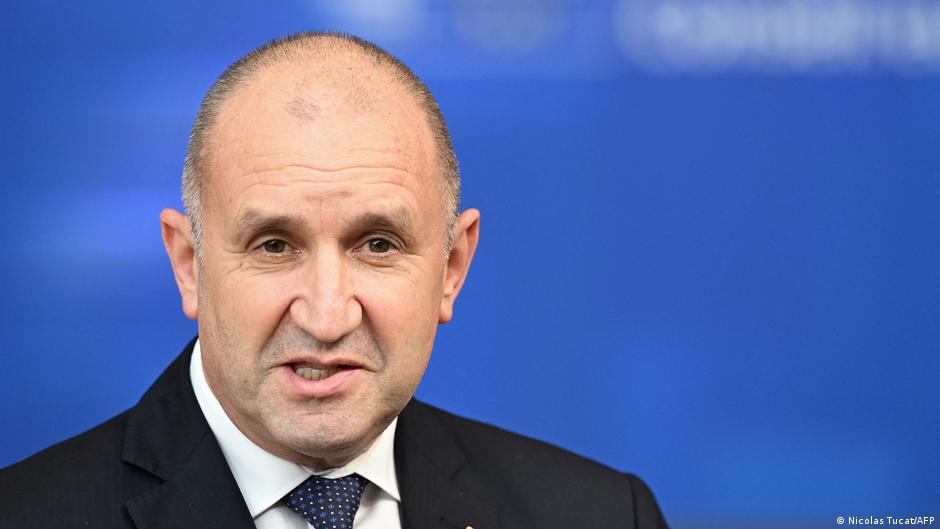
Bulgarian Prime Minister Rumen Radev has announced plans to veto the European Union's latest sanctions against Russia, citing specific individuals included in the sanctions list as a primary reason.
Context
Radev's opposition centers on the inclusion of Russian Orthodox Patriarch Kirill and former Lukoil president Vagit Alekperov in the sanctions.S1S2
Key points
- Radev's veto threat is linked to the inclusion of Patriarch Kirill in the sanctions.S1S2
- The sanctions also target Vagit Alekperov, a prominent figure in the Russian energy sector.S1S2
- Radev's stance reflects Bulgaria's complex relationship with Russia.S1S2
- The veto could impact Bulgaria's standing within the EU.S1S2
- Radev's government may face internal pressure regarding the sanctions.S1S2
- The situation highlights divisions within the EU regarding Russia policy.S1S2
- Bulgaria has historically maintained close ties with Russia, influencing its foreign policy decisions.S1S2
- The veto could set a precedent for other EU member states with similar concerns.S1S2
Why it matters
- The veto could undermine EU unity in its approach to sanctions against Russia.S1S2
- Bulgaria's decision may affect the EU's overall strategy in response to Russian actions.S1S2
- The situation raises questions about the effectiveness of sanctions as a tool for political leverage.S1S2
What to watch
- Monitor reactions from other EU member states regarding Bulgaria's potential veto.S1S2
- Watch for any changes in Bulgaria's domestic political landscape following this announcement.S1S2
- Keep an eye on the EU's response to Bulgaria's position on the sanctions.S1S2