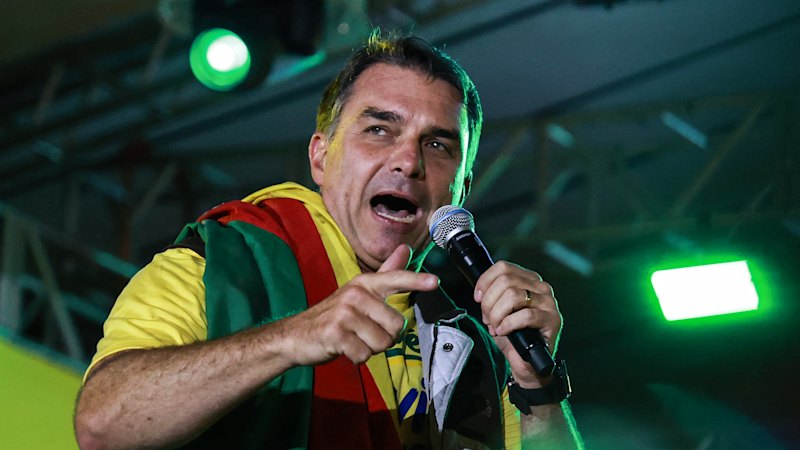
Voting is currently underway across Brazil as approximately 158 million voters cast their ballots in a highly anticipated presidential run-off between incumbent leftist President Luiz Inácio Lula da Silva and his right-wing challenger, Senator Flávio Bolsonaro. This election comes after a fiercely contested campaign, with polls indicating a dead heat between the two candidates, reflecting a deeply divided electorate eager to determine the nation's future direction.
The stakes are particularly high in this election, as a victory for Flávio Bolsonaro could signify a significant shift to the right for Brazil, aligning it more closely with the United States amid a broader conservative wave sweeping across Latin America. This potential shift has raised concerns among supporters of Lula, who advocate for progressive policies and social reforms, fearing a regression in the country's political landscape should Bolsonaro prevail.S2
As the polls close and votes are tallied, the outcome of this election is poised to have lasting implications not just for Brazil but for regional politics as well. Both candidates have mobilized extensive support, with Lula leveraging his experience and past presidency, while Flávio Bolsonaro appeals to a base that seeks continuity with the legacy of his father, former president Jair Bolsonaro, and the conservative ideals he represents.S1S2