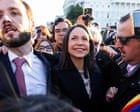
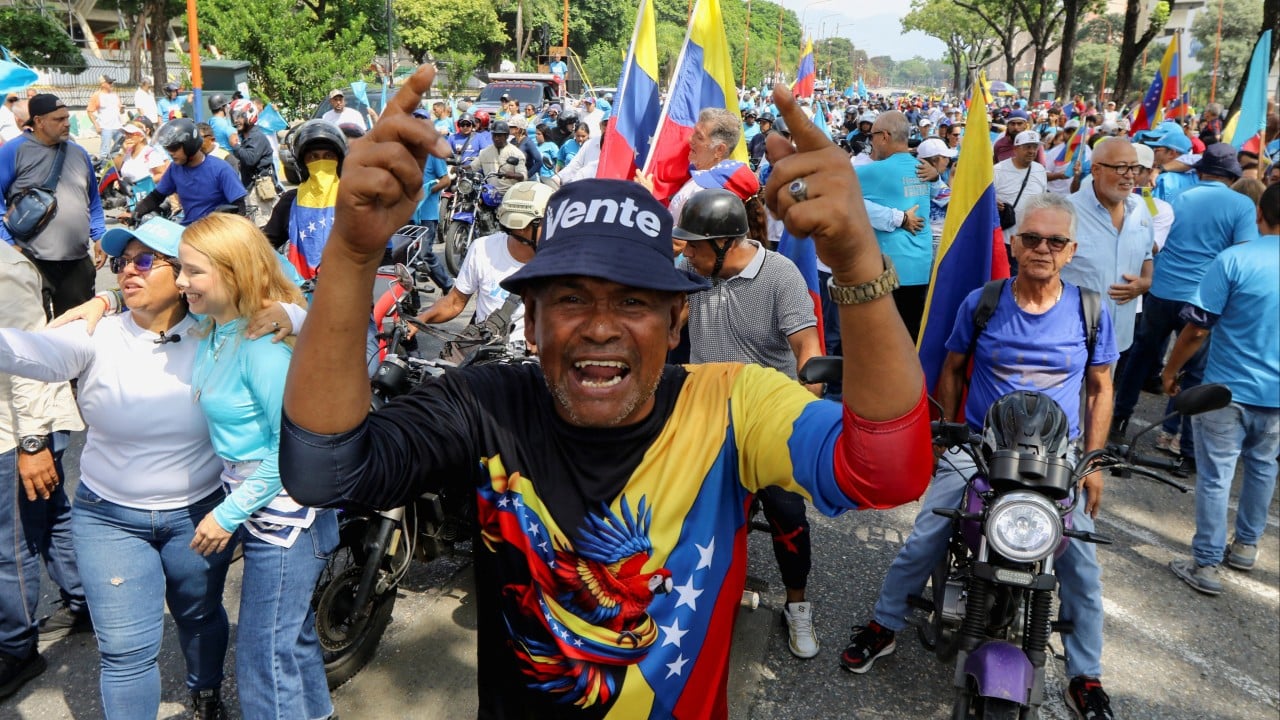
María Corina Machado, a prominent Venezuelan opposition leader, has made a significant return to her home country after years of exile. This move comes at a time when Venezuela is perceived to be under tight control by American interests, raising questions about the dynamics of her relationship with Washington. Machado's return is seen as a pivotal moment for the opposition, which has struggled to unify against the government of Nicolás Maduro. Her leadership is expected to galvanize support among those disillusioned with the current regime, as she advocates for democratic reforms and a new electoral process.
In light of her return, some analysts argue that Machado's presence could be crucial in pushing for an early election date in Venezuela. The political landscape remains fraught with challenges, but her supporters believe that her leadership could provide the necessary momentum to challenge the status quo. The call for a new election process is not merely a strategic move; it reflects the broader aspirations of many Venezuelans who seek to restore democracy and stability in their country. This sentiment has been echoed by various commentators who see Machado as a beacon of hope for the opposition.S2
As Machado navigates this complex political terrain, her relationship with key figures in Washington will likely play a critical role in her efforts to mobilize support both domestically and internationally. With the United States having significant influence in Venezuelan affairs, the backing of American political leaders could bolster Machado's position. However, her critics caution that reliance on foreign support may complicate her standing among Venezuelans who are wary of outside intervention in their political processes. Machado's challenge will be to balance these dynamics as she seeks to unite the opposition and push for meaningful change.S1S2