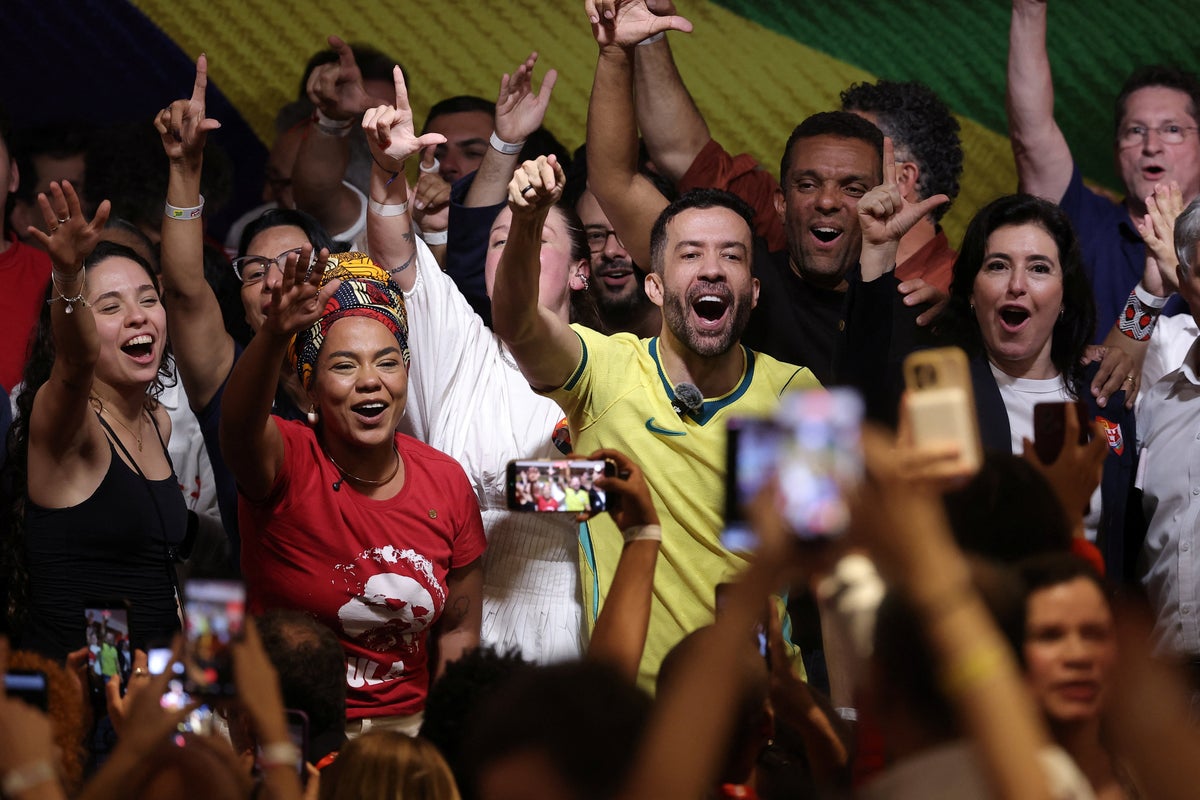
Luiz Inácio Lula da Silva has achieved a remarkable comeback, winning a record fourth term as President of Brazil in a runoff election that surprised many observers. The 80-year-old political veteran's victory not only halts a rising right-wing trend in Latin America but also defies widespread predictions that his political career was nearing its end. Lula's win is seen as a significant moment in Brazilian politics, particularly given the polarized nature of the country following a contentious election cycle.
Despite the victory, Lula faces considerable challenges ahead. His administration will be confronted by a hostile Congress, which could complicate his agenda and hinder efforts to unify a divided nation. The political landscape in Brazil remains fraught, with deep-seated divisions among the electorate that could impact governance and policy-making in the coming years. Lula's ability to navigate this complex environment will be crucial to his administration's success and the country's stability.S1
As Lula embarks on this new term, the implications of his presidency extend beyond Brazil's borders. His administration is expected to address various pressing issues, including economic recovery, social inequality, and environmental policies, particularly regarding the Amazon rainforest. Lula's leadership will be closely scrutinized, as both domestic and international observers look for signs of progress amid the challenges he faces in a fragmented political landscape.S2