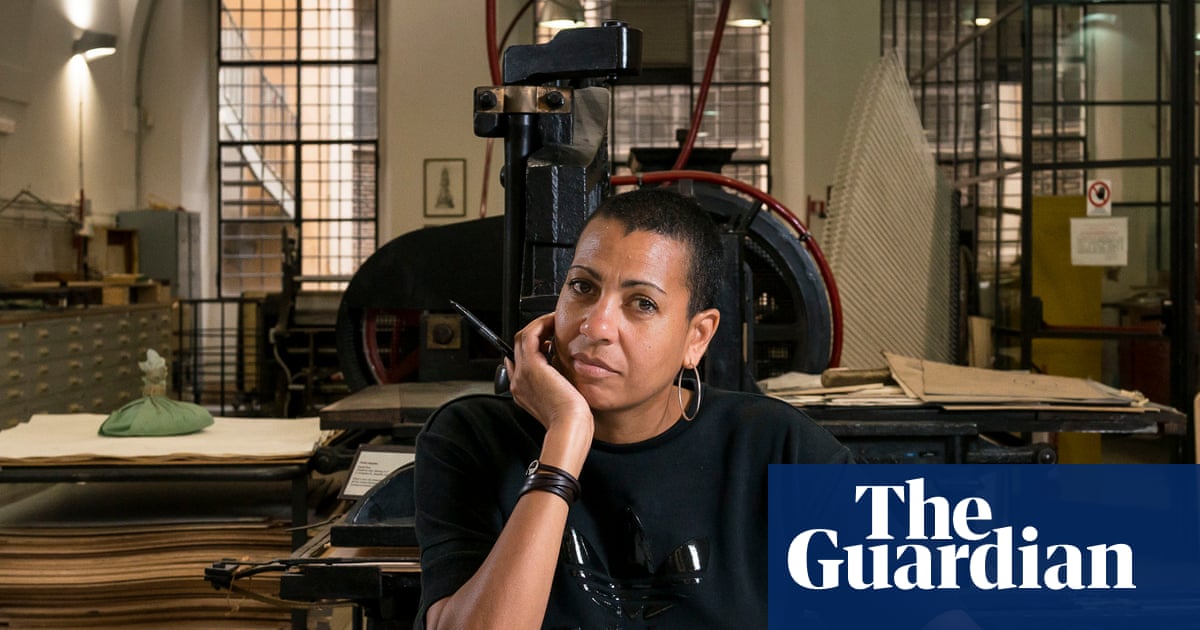
Artwork Removed from National Portrait Gallery Amid Controversy

United Kingdom
The brief

The National Portrait Gallery has removed a video installation by artist Helen Cammock following criticism of its portrayal of Winston Churchill's role in the Bengal famine.

Context

The installation, titled The Persistence, was taken down after significant backlash from critics who included 50 peers.S1

Key points

  • Helen Cammock is a Turner prize-winning artist.S1
  • The video installation was titled The Persistence.S1
  • Criticism centered on claims regarding Churchill's actions during the Bengal famine.S2
  • The removal occurred after a week of mounting pressure on the gallery.S1
  • The controversy involved a significant number of critics, including peers from various backgrounds.S1
  • The National Portrait Gallery faced scrutiny over the historical accuracy of the claims made in the artwork.S2
  • The decision to withdraw the piece reflects ongoing debates about historical narratives.S1
  • The incident highlights tensions between artistic expression and historical interpretation.S2

Why it matters

  • The removal of the artwork raises questions about censorship in the arts.S1
  • It reflects broader societal debates about historical figures and their legacies.S2
  • The incident may influence future exhibitions and the types of narratives presented in public art.S1

What to watch

  • Monitor reactions from the art community regarding censorship and artistic freedom.S1
  • Watch for potential changes in how historical figures are portrayed in art.S2
  • Keep an eye on future exhibitions at the National Portrait Gallery and their thematic focus.S1
Timeline · newest first
4mos The Guardian

Artwork removed from National Portrait Gallery after row over Churchill’s role in Bengal famine

Turner winner Helen Cammock withdraws piece after 50 peers criticise claim former PM ‘starved people’An artwork by a Turner prize-winning artist has been removed from the National…

4mos BBC

National Portrait Gallery display withdrawn after Churchill row

The video installation prompted a row over its claims about Churchill's role in the Bengal famine.

Artwork Removed from National Portrait Gallery Amid Controversy

2 outlets 2 reports
The brief

The National Portrait Gallery has removed a video installation by artist Helen Cammock following criticism of its portrayal of Winston Churchill's role in the Bengal famine.

Context

The installation, titled The Persistence, was taken down after significant backlash from critics who included 50 peers.S1

Key points

  • Helen Cammock is a Turner prize-winning artist.S1
  • The video installation was titled The Persistence.S1
  • Criticism centered on claims regarding Churchill's actions during the Bengal famine.S2
  • The removal occurred after a week of mounting pressure on the gallery.S1
  • The controversy involved a significant number of critics, including peers from various backgrounds.S1
  • The National Portrait Gallery faced scrutiny over the historical accuracy of the claims made in the artwork.S2
  • The decision to withdraw the piece reflects ongoing debates about historical narratives.S1
  • The incident highlights tensions between artistic expression and historical interpretation.S2

Why it matters

  • The removal of the artwork raises questions about censorship in the arts.S1
  • It reflects broader societal debates about historical figures and their legacies.S2
  • The incident may influence future exhibitions and the types of narratives presented in public art.S1

What to watch

  • Monitor reactions from the art community regarding censorship and artistic freedom.S1
  • Watch for potential changes in how historical figures are portrayed in art.S2
  • Keep an eye on future exhibitions at the National Portrait Gallery and their thematic focus.S1

Timeline · newest first

Sources · 2 citations

S1 The Guardian 1 report · EN
S2 BBCLead 1 report · EN