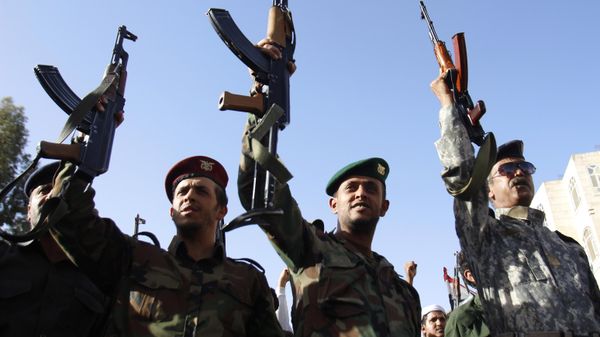
Yemen's Ansar Allah movement, commonly known as the Houthis, has claimed responsibility for recent attacks on oil pumping stations along the East-West pipeline in Saudi Arabia. This escalation comes just days before high-stakes negotiations are set to take place in Tehran, where military and security figures from various nations are expected to convene. The timing of these attacks suggests a strategic maneuver by the Houthis to assert their influence and disrupt regional stability as diplomatic efforts intensify.
The Houthis' actions are particularly significant given the current geopolitical climate, where the presence of high-level military and security officials indicates that time is running short for resolving ongoing tensions. This context underscores the delicate balance of power in the region, as the Houthis continue to challenge Saudi Arabia's interests amidst a backdrop of complex negotiations and potential peace talks.S1
As the situation unfolds, the implications of these attacks could reverberate beyond immediate military concerns, potentially impacting global oil markets and diplomatic relations. The upcoming discussions in Tehran will be closely monitored, as the outcome may influence future engagements between the Houthis and Saudi Arabia, along with other regional stakeholders.S1S2


