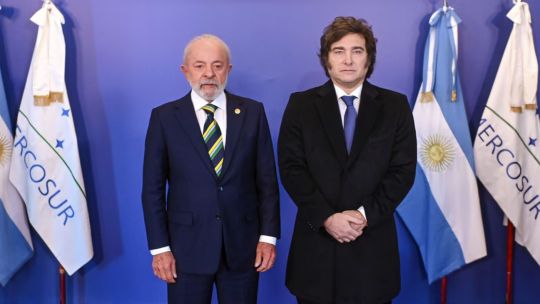
Luiz Inácio Lula da Silva's recent re-election as President of Brazil has elicited a muted response from both the United States and Argentina, even as regional leaders extend their congratulations. Notably, Senator Flávio Bolsonaro has yet to concede defeat, reflecting ongoing political tensions in Brazil following the election results. Lula's victory is significant not only for Brazil but also for its neighbors, particularly Argentina, which relies heavily on Brazilian trade.
Argentina's economy is closely intertwined with Brazil's, making Lula's presidency a critical factor for Argentine markets. With Brazil being Argentina's largest export market, the implications of Lula's policies will be felt across various sectors, especially in the automotive industry, which is particularly vulnerable to fluctuations in trade relations. As Argentina navigates its economic challenges, Lula's leadership could either bolster or hinder its recovery efforts, depending on the nature of bilateral relations moving forward.S2
The economic landscape in Argentina is poised for scrutiny as Lula's administration takes shape. The automotive sector, among the most exposed to the outcomes of Brazilian politics, will be particularly affected by any shifts in trade policies or economic strategies under Lula. As both nations grapple with their respective economic hurdles, the need for a cooperative approach may become increasingly apparent in the months ahead, especially as Argentina seeks to stabilize its economy amid ongoing challenges.S2