The brief
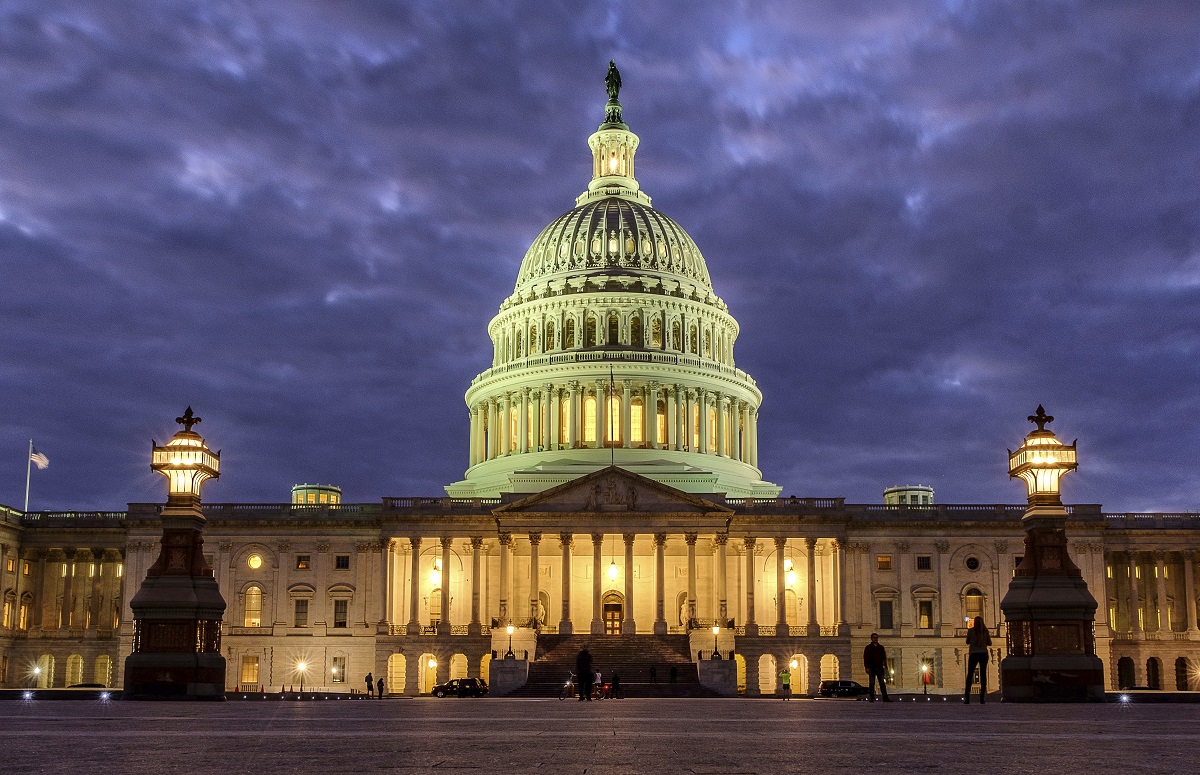
The US Senate has joined the House in a significant vote to direct the president to withdraw armed forces from hostilities in Iran, marking a historic moment in congressional authority over military engagements.
Context
This decision represents the first time since the War Powers Act was enacted in 1973 that both chambers of Congress have taken such action against a sitting president's military operations.S1
Key points
- The Senate's vote aligns with a similar decision made by the House.S1
- This action is seen as a rebuke of the current administration's military strategy in Iran.S2
- The War Powers Act was designed to limit the president's ability to engage US forces without congressional approval.S1
- The vote reflects growing concerns among lawmakers regarding military involvement in Iran.S2
- Supporters of the measure argue it reinforces congressional oversight of military actions.S1
- Opponents warn that it may undermine US military readiness and response capabilities.S2
- The decision could set a precedent for future military engagements by limiting executive power.S1
- This vote may influence public opinion on military interventions abroad.S2
Why it matters
- It underscores the tension between Congress and the executive branch over military authority.S1
- The outcome may affect future military strategies and engagements in the Middle East.S2
What to watch
- Monitor reactions from the White House regarding this congressional decision.S2
- Watch for potential implications on US foreign policy in the region following this vote.S1