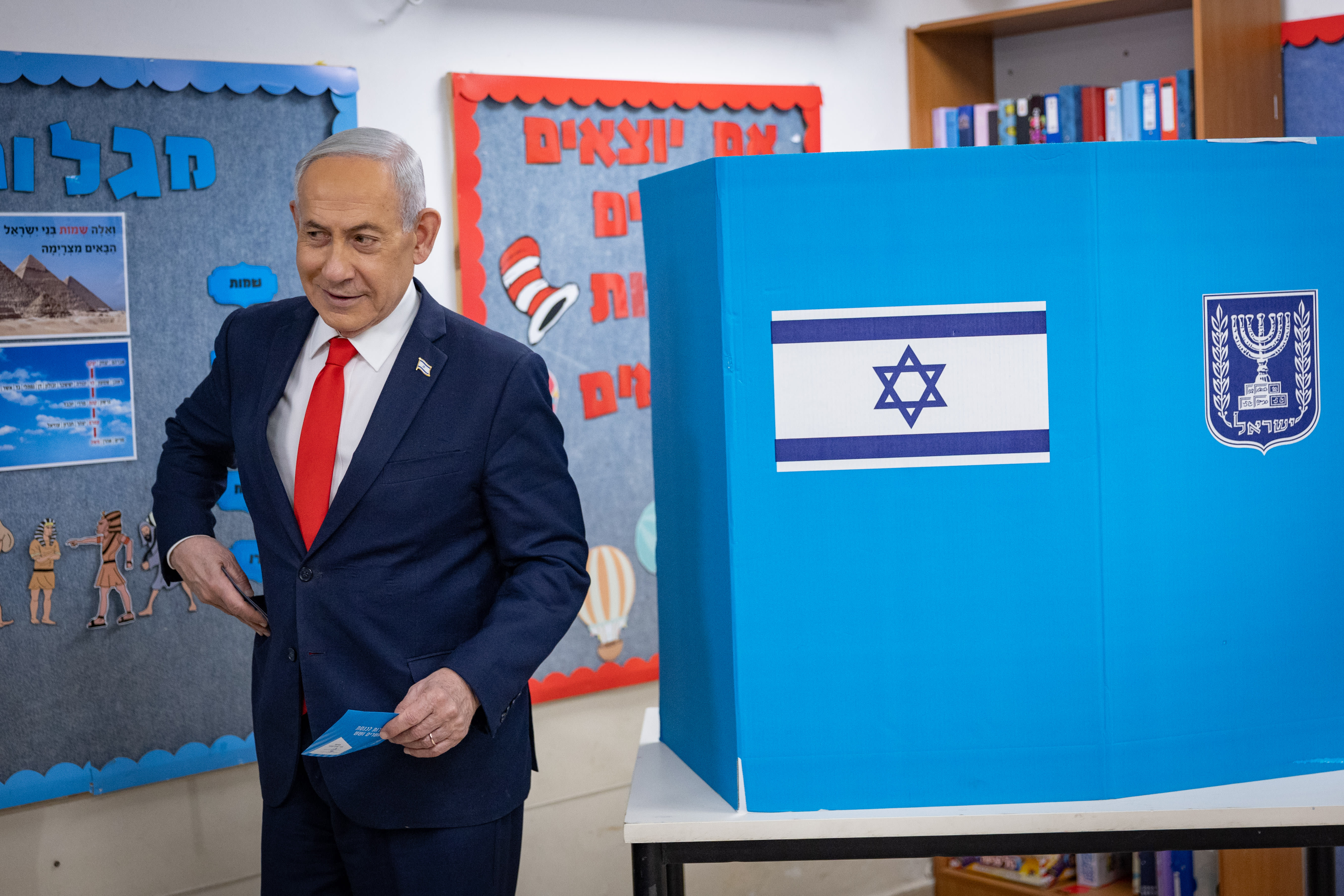
In a historic electoral moment, Israeli voters have demonstrated unprecedented engagement, with a nationwide turnout of 44.9% reported by the Central Elections Committee by 2 PM, marking the highest participation rate recorded at that time since 1973. This surge in voter turnout comes amidst a backdrop of heightened tension and trauma following the October 7 attacks, which have significantly influenced the political landscape and voter sentiment in Israel.
As Israelis head to the polls, the shadow of the recent multi-front regional conflicts looms large. The trauma stemming from the October 7 attack remains fresh in the minds of voters, shaping their concerns over accountability and security, which have become central themes in the ongoing campaign. This election is seen not only as a verdict on Prime Minister Benjamin Netanyahu's leadership but also as a reflection of the public's response to the current security situation and the government's handling of recent crises.S2
The implications of this record turnout could be significant for Netanyahu, as the electorate's mood appears to be heavily influenced by the recent violence and the government's response. Voters are expected to express their views on security policies and the broader implications for Israel's future in a region fraught with instability. The results of this election will likely shape the political discourse in Israel for the foreseeable future, as the nation grapples with the aftermath of the October 7 attacks and the ongoing conflicts that have arisen since.S1S2