Story India

Protests Erupt in Ladakh Over Alleged Retraction of Agreements

India
The brief

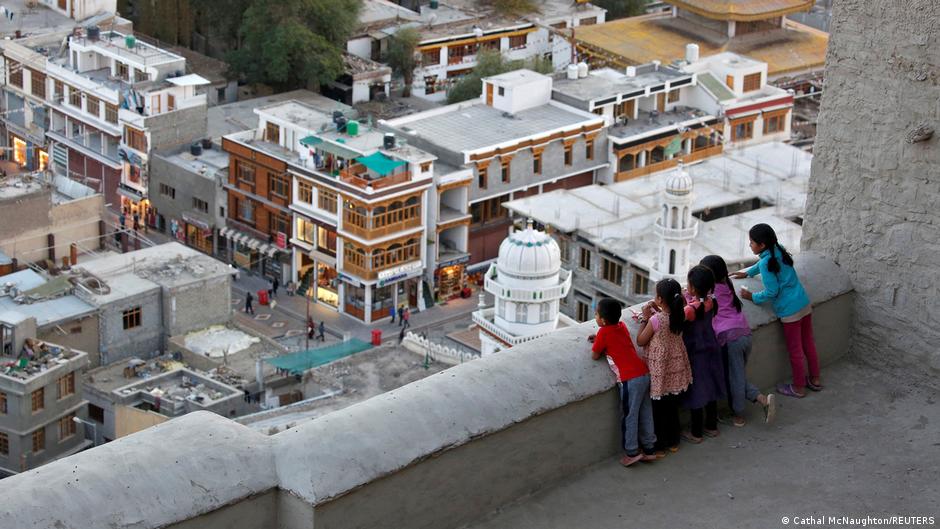
Protests have emerged in the northern region of Ladakh, India, as businesses in Leh and Kargil districts remain closed in response to concerns over the government's alleged retraction of key agreements.

Context

The protests are centered around dissatisfaction with the Indian government's handling of constitutional and administrative agreements that affect the region.S1S2

Key points

  • Businesses in Leh and Kargil districts are participating in a shutdown as part of the protests.S1S2
  • The protests are a reaction to perceived governmental failures regarding constitutional agreements.S1S2
  • Local residents are voicing their concerns over the future of Ladakh's governance.S1S2
  • The situation reflects broader tensions between regional aspirations and central government policies.S1S2
  • The protests have garnered attention from various media outlets, highlighting the unrest in the region.S1S2
  • Demonstrators are calling for a reaffirmation of their rights and agreements with the government.S1S2
  • The shutdown has affected daily life and business operations in the affected districts.S1S2
  • Local leaders are urging the government to engage in dialogue to resolve the issues.S1S2

Why it matters

  • The protests indicate rising discontent among residents regarding governance in Ladakh.S1S2
  • Understanding these tensions is crucial for assessing regional stability in India.S1S2
  • The situation may influence future negotiations between local leaders and the central government.S1S2

What to watch

  • Monitor developments regarding government responses to the protests.S1S2
  • Watch for potential escalation or resolution of the protests in the coming days.S1S2
  • Keep an eye on how these events may affect local businesses and daily life in Ladakh.S1S2
Timeline · newest first
4mos Deutsche Welle · 2 reports

India news: Protests in northern region Ladakh over talks with Delhi

Businesses in both northern Leh and Kargil districts remained shut to protest the alleged retraction of key constitutional and administrative agreements. Follow DW for more.

Protests Erupt in Ladakh Over Alleged Retraction of Agreements

1 outlet 2 reports
The brief

Protests have emerged in the northern region of Ladakh, India, as businesses in Leh and Kargil districts remain closed in response to concerns over the government's alleged retraction of key agreements.

Context

The protests are centered around dissatisfaction with the Indian government's handling of constitutional and administrative agreements that affect the region.S1S2

Key points

  • Businesses in Leh and Kargil districts are participating in a shutdown as part of the protests.S1S2
  • The protests are a reaction to perceived governmental failures regarding constitutional agreements.S1S2
  • Local residents are voicing their concerns over the future of Ladakh's governance.S1S2
  • The situation reflects broader tensions between regional aspirations and central government policies.S1S2
  • The protests have garnered attention from various media outlets, highlighting the unrest in the region.S1S2
  • Demonstrators are calling for a reaffirmation of their rights and agreements with the government.S1S2
  • The shutdown has affected daily life and business operations in the affected districts.S1S2
  • Local leaders are urging the government to engage in dialogue to resolve the issues.S1S2

Why it matters

  • The protests indicate rising discontent among residents regarding governance in Ladakh.S1S2
  • Understanding these tensions is crucial for assessing regional stability in India.S1S2
  • The situation may influence future negotiations between local leaders and the central government.S1S2

What to watch

  • Monitor developments regarding government responses to the protests.S1S2
  • Watch for potential escalation or resolution of the protests in the coming days.S1S2
  • Keep an eye on how these events may affect local businesses and daily life in Ladakh.S1S2
Timeline · newest first

Sources · 2 citations

S1S2 Deutsche Welle 2 reports · EN