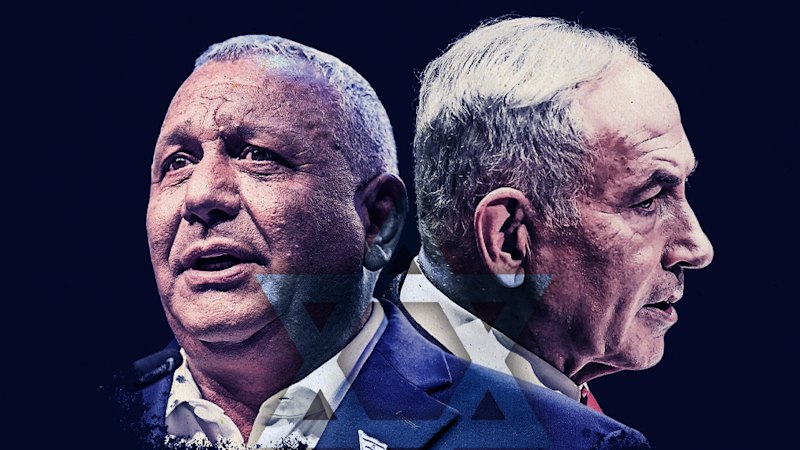
As the results of the Israeli elections begin to emerge, early exit polls indicate that neither Prime Minister Benjamin Netanyahu’s Likud party nor the opposition bloc led by former military chief of staff Gadi Eisenkot has secured a decisive victory. This election has been framed by Netanyahu as a critical moment, urging his supporters throughout the day to vote, emphasizing that the outcome is a "matter of life and death" for the nation.
The political landscape remains uncertain as the votes are tallied, with Netanyahu's coalition facing significant challenges from a diverse array of opposition parties. The lack of a clear victor could lead to a protracted period of negotiations as parties seek to form a government. The stakes are particularly high given the backdrop of ongoing tensions in the region, which have made this election especially pivotal for Israel's future.S1
As the situation develops, the implications of these results could reverberate through Israeli politics, impacting both domestic policy and international relations. The election was closely watched not only within Israel but also by global observers, who recognize the potential for significant shifts in governance depending on the final outcomes of the vote count.S2