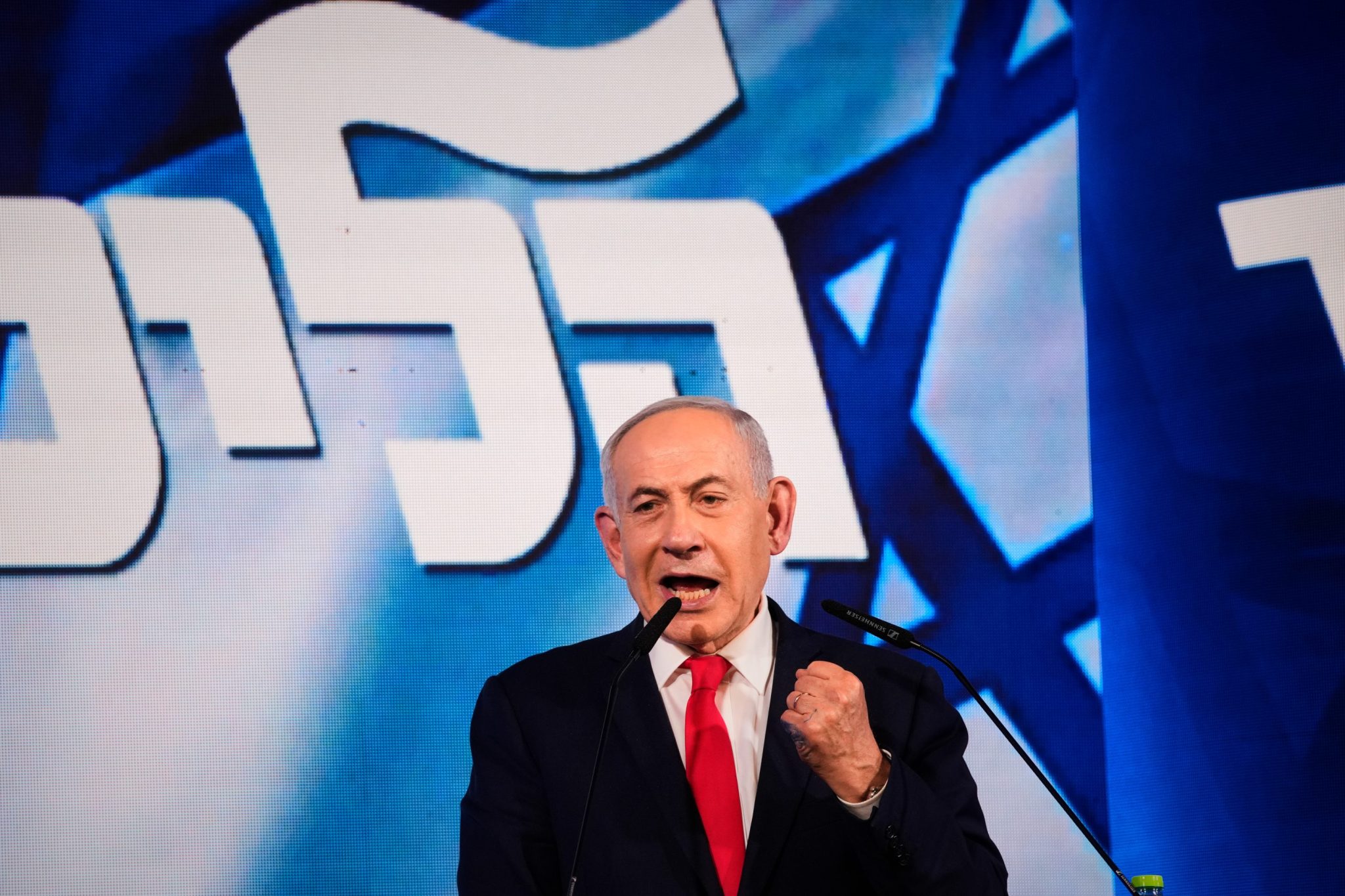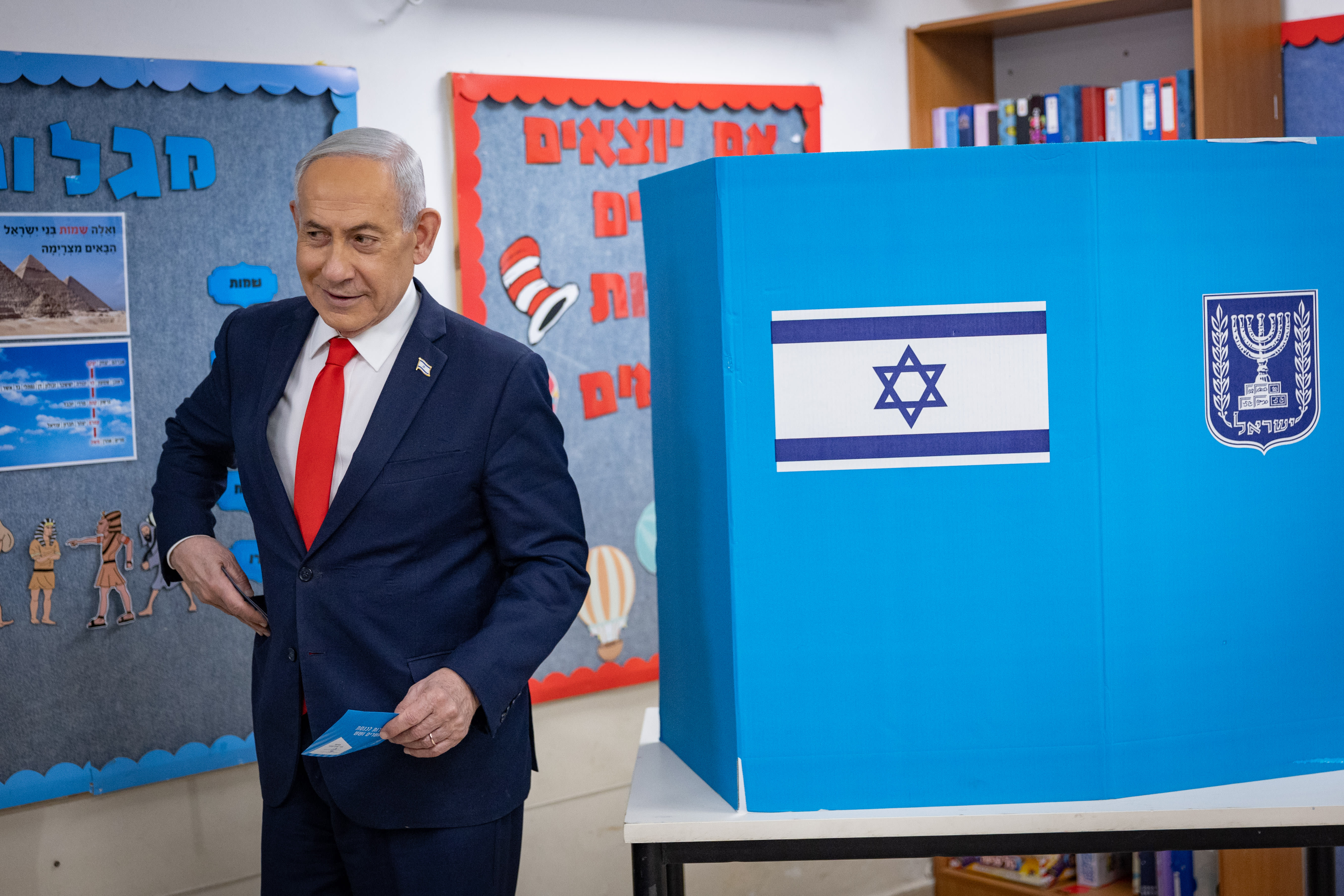
As polls closed in Israel's recent election, the results revealed no clear winner, leaving the nation in a state of political uncertainty. The main pollsters projected that the opposition bloc, led by former army chief Gadi Eisenkot, would secure between 52 and 53 seats in the Knesset, while Prime Minister Benjamin Netanyahu's bloc was estimated to win around 50 seats. This tight race underscores the fragmented political landscape in Israel, where coalition-building will be crucial for any party to govern effectively.
In the wake of the election, President Isaac Herzog is expected to take a pivotal role by tasking the candidate he believes is best positioned to form a government. This decision will be critical, as the lack of a decisive mandate complicates the formation of a stable administration. With both blocs falling short of a clear majority, the coming days will likely involve intense negotiations among party leaders to establish a coalition that can command the necessary support in the Knesset.S3
The implications of this election are significant, as the political stalemate could affect various aspects of governance in Israel, from domestic policies to international relations. Observers are keenly aware that the outcome may lead to a prolonged period of uncertainty, with potential repercussions for Netanyahu's leadership and the broader political dynamics in the region. As the situation unfolds, the focus will shift to how the parties navigate this complex landscape to form a viable government.S1S2