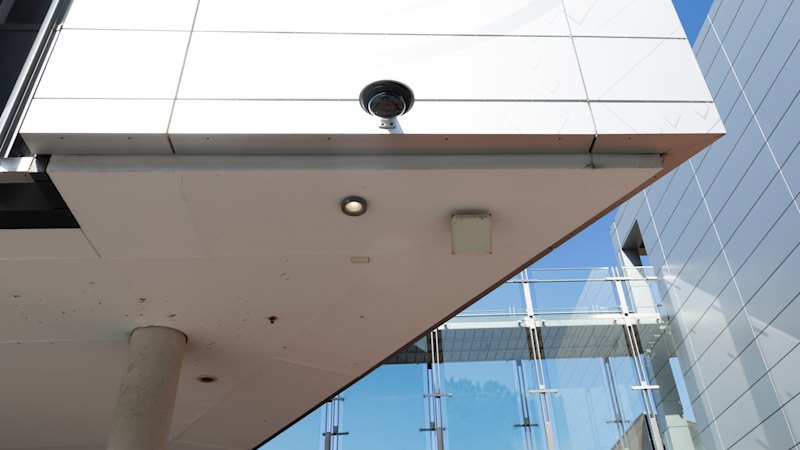
The University of Sydney is under fire for its plans to implement AI-powered facial recognition technology as part of a significant overhaul of its security operations. This initiative has sparked concerns among students and activists, who argue that such measures evoke dystopian imagery reminiscent of George Orwell's "1984." The university's administration has defended the move as a necessary step to enhance safety on campus, yet the decision has only intensified the already strained relations between the institution and its student body.
Critics of the proposed surveillance system assert that it infringes on privacy rights and could lead to a chilling effect on free expression among students. The backlash has been particularly vocal among student activists, who have organized protests and campaigns to oppose the surveillance measures. They argue that the introduction of facial recognition technology is an overreach and could disproportionately target marginalized groups on campus, further exacerbating existing inequalities.S1S2
As the university prepares to roll out these security changes, the ongoing tensions highlight a broader debate about surveillance in educational institutions. With student safety being a paramount concern, the university must navigate the fine line between ensuring security and preserving the fundamental rights of its students. The administration's next steps will be closely scrutinized as they seek to balance these competing interests amid a growing chorus of dissent.S1S2