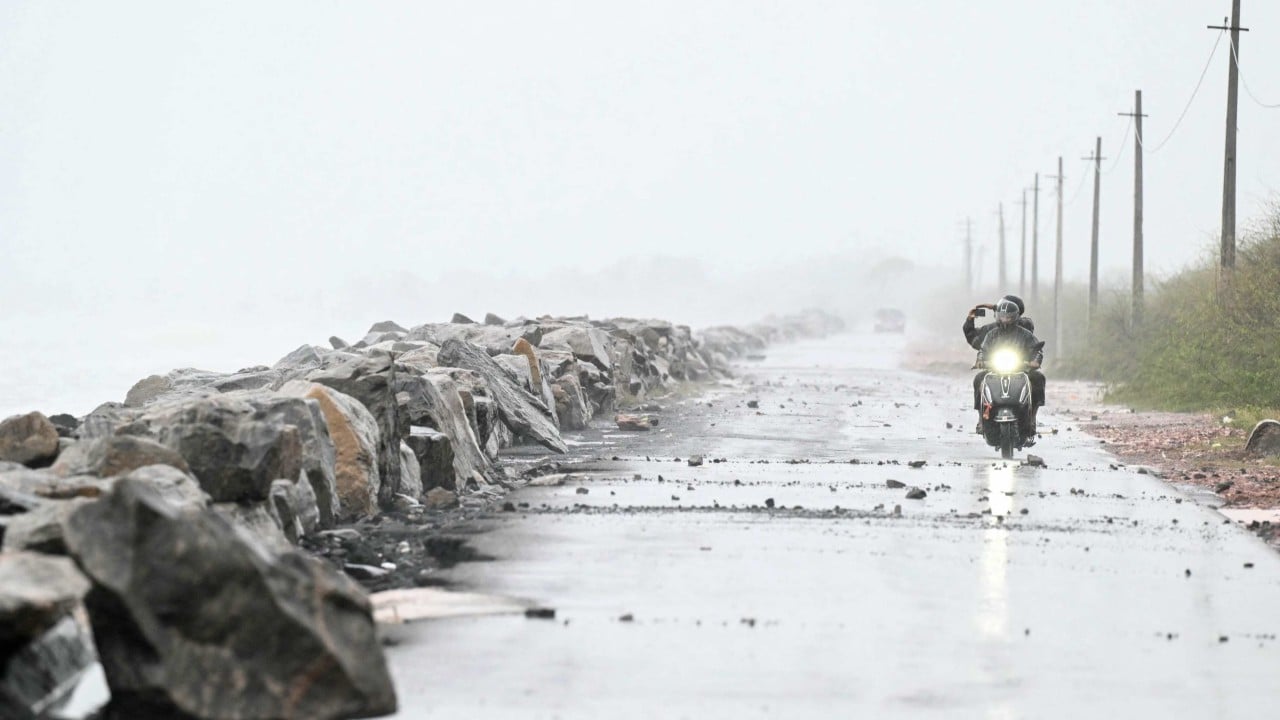
Cyclone Arnab has wreaked havoc along the eastern coast of India, particularly affecting Andhra Pradesh, where at least three people have been confirmed dead. The cyclone made landfall in the early hours of Wednesday, bringing with it heavy rains and strong winds that have led to significant damage across the region. Authorities reported that dozens of houses were damaged and crops were destroyed, exacerbating the impact on local communities already vulnerable to such natural disasters.
In response to the impending storm, officials initiated mass evacuations, with tens of thousands of residents being moved to safer locations. The evacuation efforts were crucial as the cyclone approached, prompting local governments to prepare for the worst. The situation remains dire as the cyclone continues to affect the region, and the full extent of the damage is still being assessed by emergency services and local authorities.S2
As recovery efforts begin, the focus will shift to providing aid to those affected and assessing the damage to infrastructure and agriculture. The Indian Meteorological Department had issued warnings ahead of the cyclone's arrival, highlighting the need for preparedness in coastal areas. The aftermath of Cyclone Arnab will likely lead to ongoing discussions about disaster management and climate resilience in the region.S1