The brief
Iraq has indicated it may leave OPEC if its oil production quota is not increased, highlighting tensions within the organization regarding member production limits.
Context
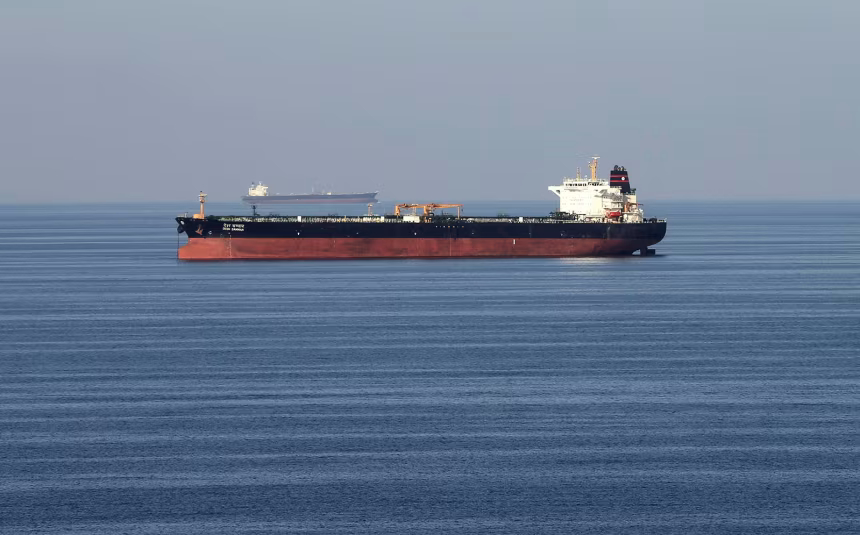
Iraq is currently OPEC's second-largest oil producer, and its economy is under significant strain due to disruptions in the Strait of Hormuz.S1
Key points
- Iraq's potential exit from OPEC would significantly impact the group, which relies on its member countries for oil production stability.S1
- The country has expressed dissatisfaction with its current oil production quota, seeking a revision to better support its economy.S2
- Recent events, including the UAE's departure from OPEC to increase its own production, have influenced Iraq's stance.S2
- Iraq's economy is facing challenges, particularly due to disruptions in oil transport routes.S1
- The possibility of Iraq leaving OPEC raises questions about the future cohesion of the organization.S1
- OPEC was founded in Iraq, underscoring the historical significance of the country within the group.S1
- Iraq's warning reflects broader tensions among OPEC members regarding production limits and economic pressures.S2
- The situation may lead to further discussions among OPEC members about adjusting quotas to accommodate economic needs.S2
Why it matters
- Iraq's potential exit could destabilize OPEC, affecting global oil markets and prices.S1
- Increased production from Iraq could help alleviate some of the economic pressures it faces.S2
- The situation highlights the ongoing challenges OPEC faces in balancing member interests and global oil supply.S1
What to watch
- Monitor OPEC's upcoming meetings for discussions on production quotas and member responses.S2
- Watch for Iraq's economic developments, particularly related to oil production and exports.S1
- Keep an eye on reactions from other OPEC members regarding Iraq's statements and potential exit.S2