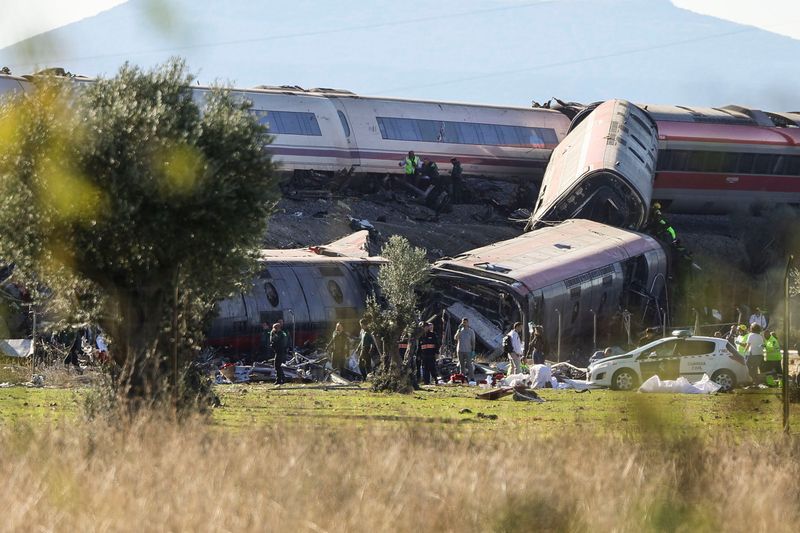
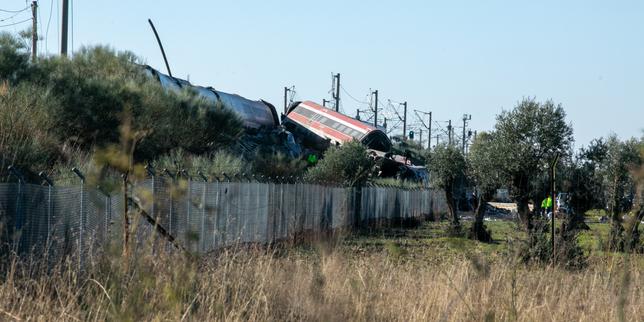
A devastating rail collision in Spain on Wednesday has resulted in at least 68 fatalities, with initial investigations pointing to a significant error in the train's operational commands. The country’s transport minister revealed that the train was ordered to proceed despite a technical failure that had previously halted all services in the Castilla-La Mancha region. This incident raises serious concerns regarding rail safety protocols in Spain, particularly following another tragic high-speed collision earlier this year that claimed 46 lives.
The transport minister described the incident as stemming from an ‘inexplicable human error,’ suggesting that the decision to allow the train to move forward was made despite clear indications of a malfunction. The implications of this accident are profound, as it not only highlights potential flaws in the operational procedures but also revives public scrutiny over the safety measures currently in place within the Spanish rail system. This is especially pertinent given the recent history of rail accidents in the country, which have prompted calls for reform and enhanced safety regulations.S2
In the wake of this tragedy, officials are expected to conduct a thorough investigation to determine the exact circumstances that led to the error. The findings will likely influence future policies and safety measures aimed at preventing similar incidents. As the nation mourns the loss of lives, the focus will shift towards ensuring that such a catastrophic event does not recur, with the transport minister pledging to address the shortcomings in the current rail safety framework.S1S2