The brief
The US has faced challenges in garnering international support for military assistance in the Strait of Hormuz, a critical maritime route.
Context
The Strait of Hormuz is a vital passage for global oil shipments, and tensions in the region have escalated due to ongoing conflicts involving Iran.S1S2
Key points
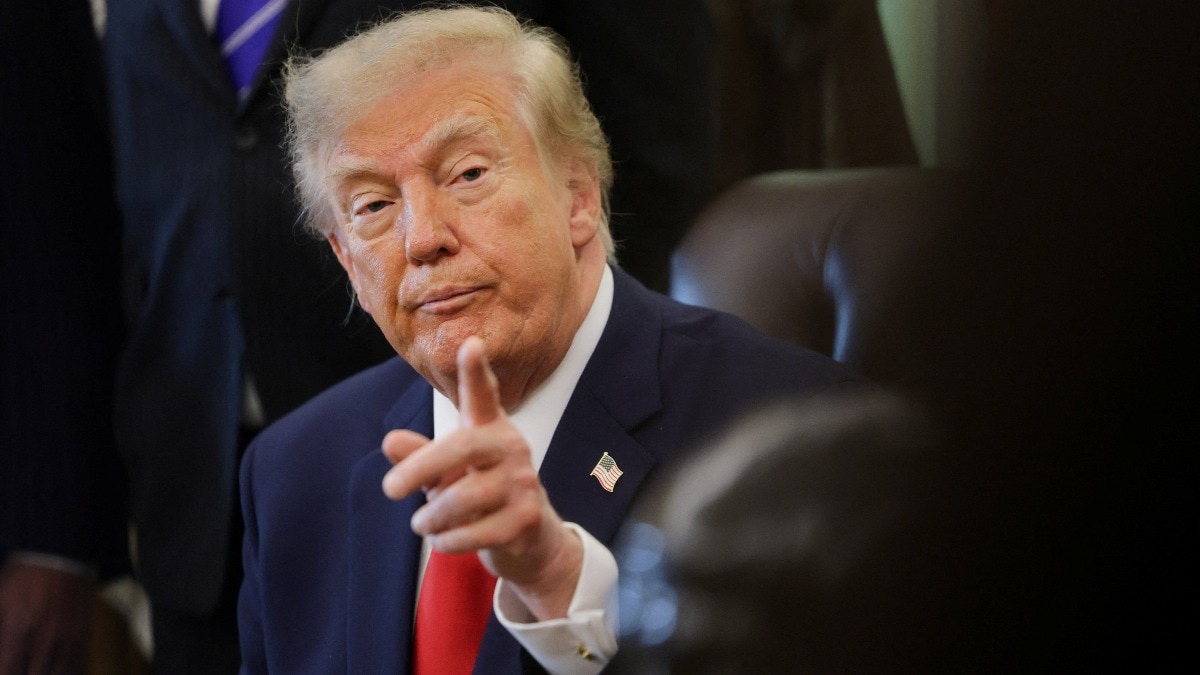
- President Trump expressed frustration over the lack of support from allies regarding the Strait of Hormuz.S1
- The US has sought help from Western and global allies to control the strait amid rising tensions with Iran.S1
- Several nations have declined to send warships to assist the US in the Strait of Hormuz.S2
- The rejection of US requests highlights divisions among allies regarding military involvement in the region.S2
- The Strait of Hormuz is crucial for oil transport, making its security a significant concern for global economies.S1
- Iran's influence in the region complicates the security dynamics of the Strait of Hormuz.S1
- The ongoing Iran war has heightened the urgency of the situation in the strait.S2
- The US's appeal for military support reflects broader geopolitical tensions involving Iran.S1
Why it matters
- The Strait of Hormuz is a key chokepoint for oil shipments, impacting global energy markets.S1
- The lack of international support for US military actions may embolden Iran's position in the region.S2
- Responses to the US request could influence future military and diplomatic strategies in the Middle East.S2
What to watch
- Monitor developments in US-Iran relations and any changes in military deployments in the region.S1
- Watch for potential shifts in the stance of US allies regarding military involvement in the Strait of Hormuz.S2
- Keep an eye on global oil prices as tensions in the Strait of Hormuz evolve.S1