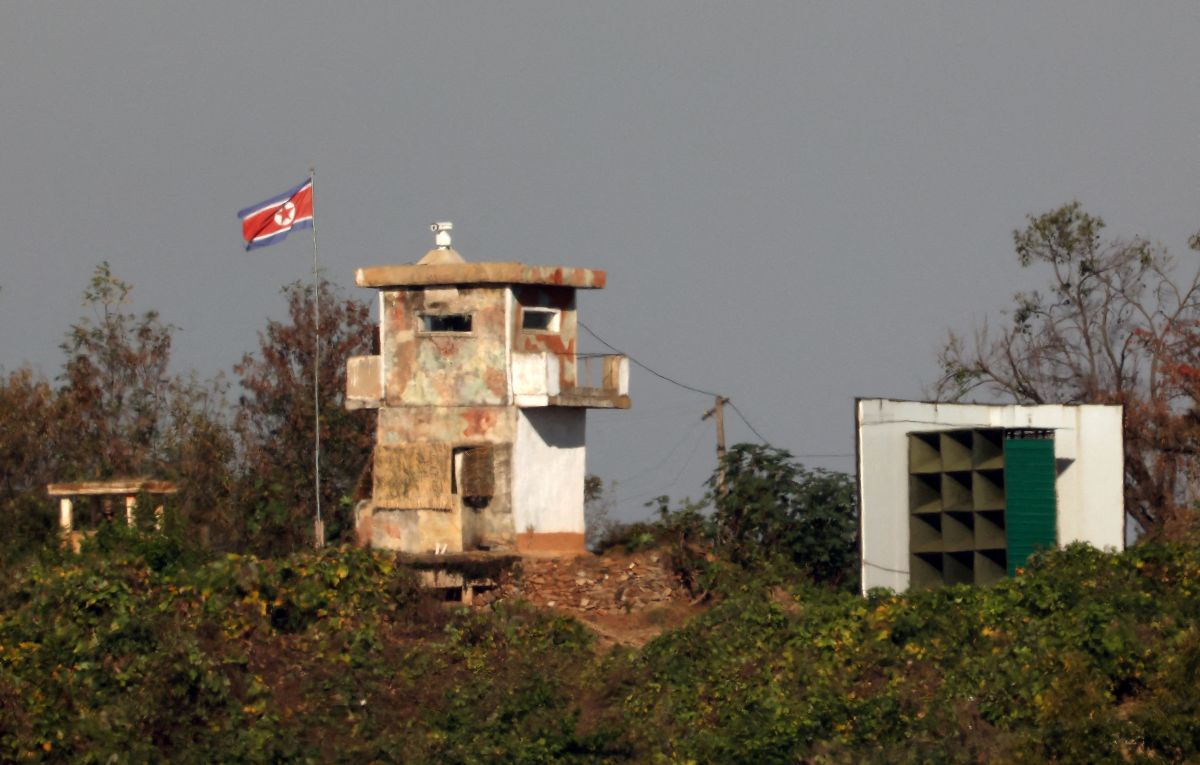
North Korea has launched approximately ten ballistic missiles into the sea, marking a significant escalation in military activity. This latest round of missile tests comes at a time of heightened tensions along the Korean Peninsula, particularly with South Korea, and amid ongoing uncertainty regarding potential nuclear negotiations with the United States. The launches have raised alarms in the region, particularly as they occur against a backdrop of increasing military provocations.
The missiles were reported to have fallen in waters outside Japan's exclusive economic zone, further complicating the security dynamics in Northeast Asia. Japan has expressed concern over the missile tests, which not only threaten regional stability but also challenge international efforts to curb North Korea's military ambitions. The frequency of these launches signals North Korea's determination to advance its missile capabilities despite international sanctions and diplomatic efforts.S2
As North Korea continues its missile testing program, the international community remains on alert, with calls for renewed dialogue and a potential reassessment of strategies to address the North Korean nuclear threat. The situation is fluid, and the implications of these missile launches could have far-reaching effects on security policies in both South Korea and Japan, as well as on U.S. foreign policy in the region.S1S2