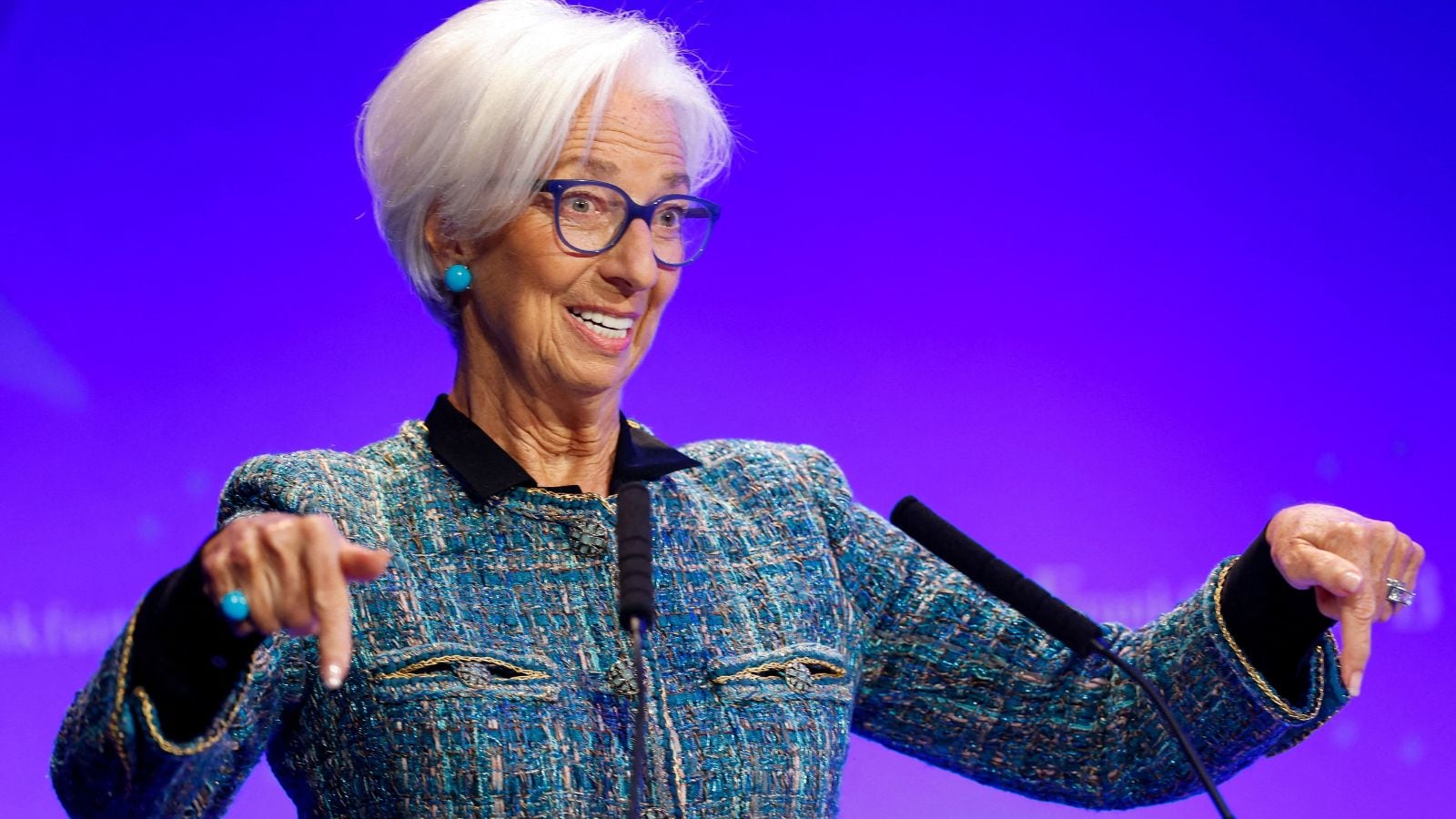
Christine Lagarde has announced her resignation as President of the European Central Bank (ECB), a decision that comes at a critical time for the European economy. Her departure has prompted immediate discussions regarding the succession of leadership within the ECB, as the institution faces mounting challenges, including rising inflation and economic volatility across the continent.
Lagarde's resignation is particularly significant as the ECB grapples with inflation risks exacerbated by an oil shock linked to Iran, which has contributed to a turbulent economic environment. Additionally, a sharp increase in bond yields poses a threat to growth, complicating the ECB's efforts to stabilize the economy.S2
The timing of Lagarde's resignation raises questions about the ECB's strategic direction moving forward, especially as it seeks to navigate these pressing economic issues. The leadership transition will be closely monitored by financial markets and policymakers alike, as they assess the potential implications for monetary policy in Europe.S1S2


