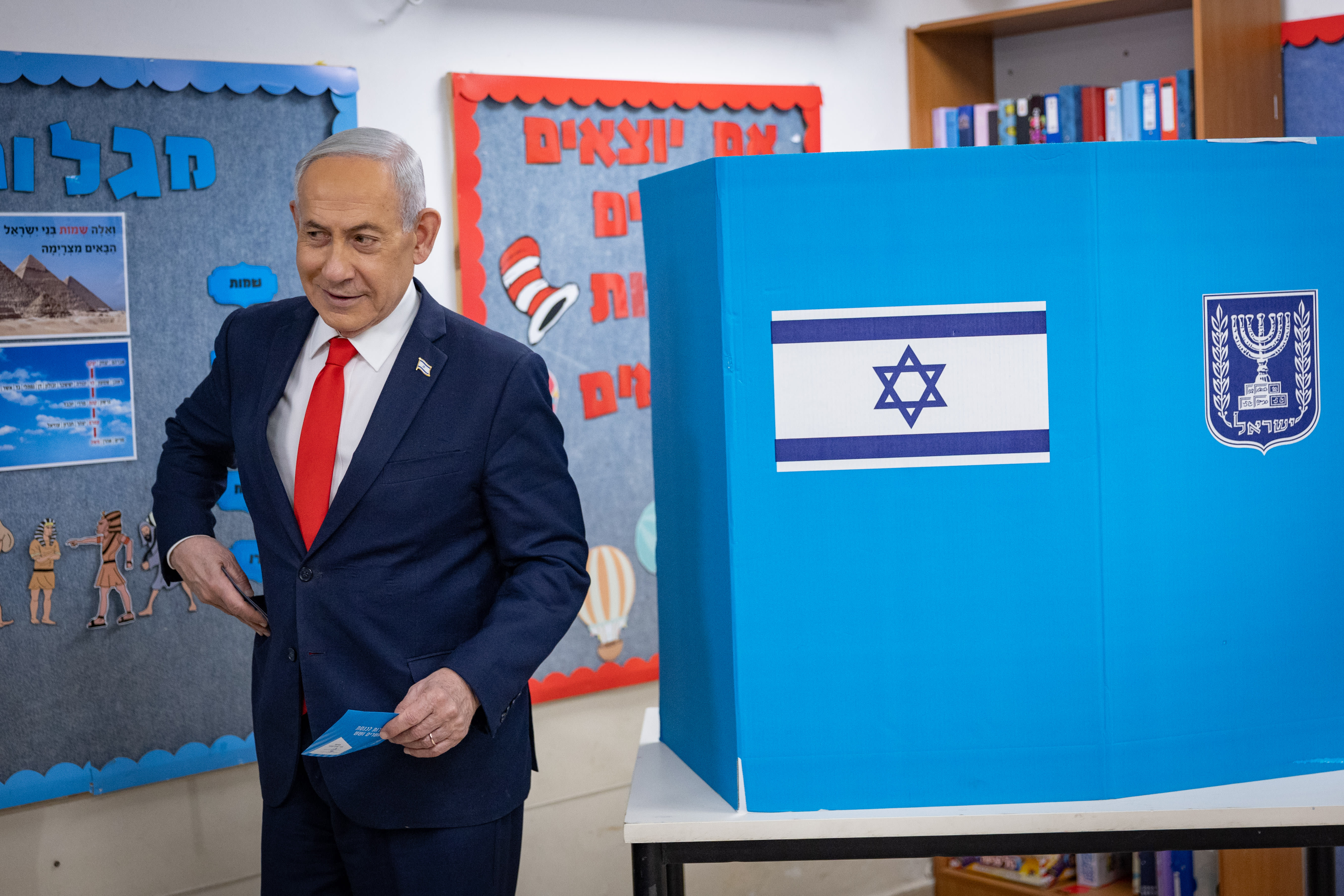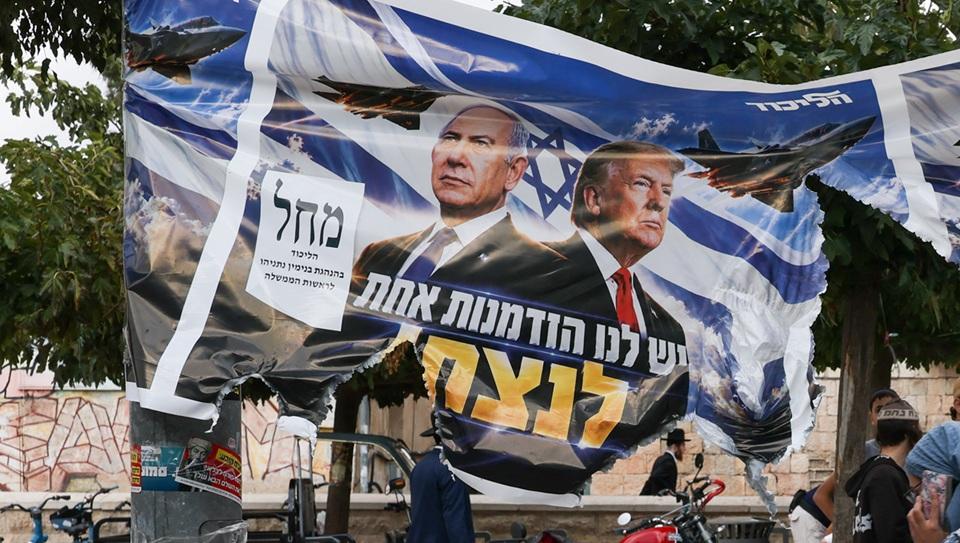
Benjamin Netanyahu has ramped up his attacks on Israel's Arab parties following their significant electoral gains in a recent election. Alleging without evidence that these gains were influenced by voter fraud, Netanyahu's comments have sparked outrage among Arab leaders, who accuse the Prime Minister of incitement. This escalation in rhetoric comes after a national ballot on Tuesday saw a notably high turnout among Arab voters, which has complicated Netanyahu's path to retaining power alongside his far-right allies.
The election results have positioned Arab parties in a stronger political stance, which Netanyahu's coalition perceives as a direct threat to their governance. The Prime Minister's unfounded claims of electoral fraud signal a troubling trend of anti-Arab sentiment among his political base, further polarizing an already divided political landscape in Israel. Arab leaders have firmly rejected Netanyahu's allegations, framing them as an attempt to undermine their legitimate political participation and influence.S1S2
As the political climate heats up, the implications of Netanyahu's accusations could have lasting effects on the relationships between the Israeli government and Arab citizens. The rhetoric not only reflects Netanyahu's desperation to maintain power but also raises concerns about the potential for increased tensions and violence in the region, as accusations of fraud and incitement can escalate into broader conflicts. The coming days will likely see further developments as both sides respond to the charged atmosphere following the election.S1S2