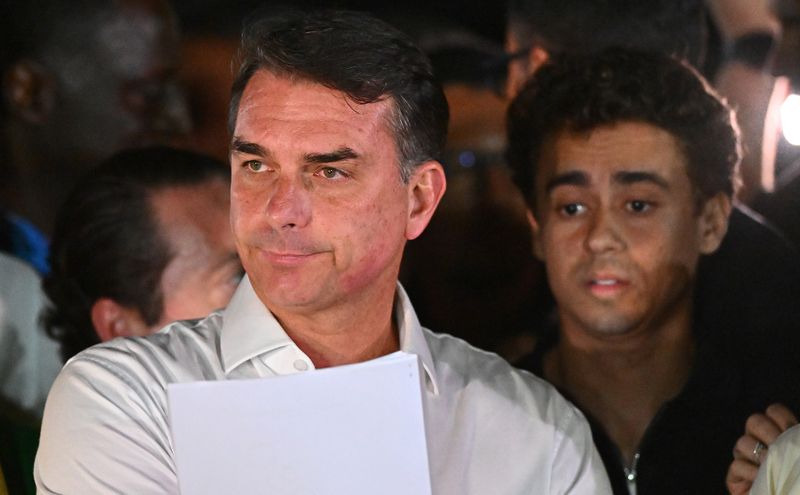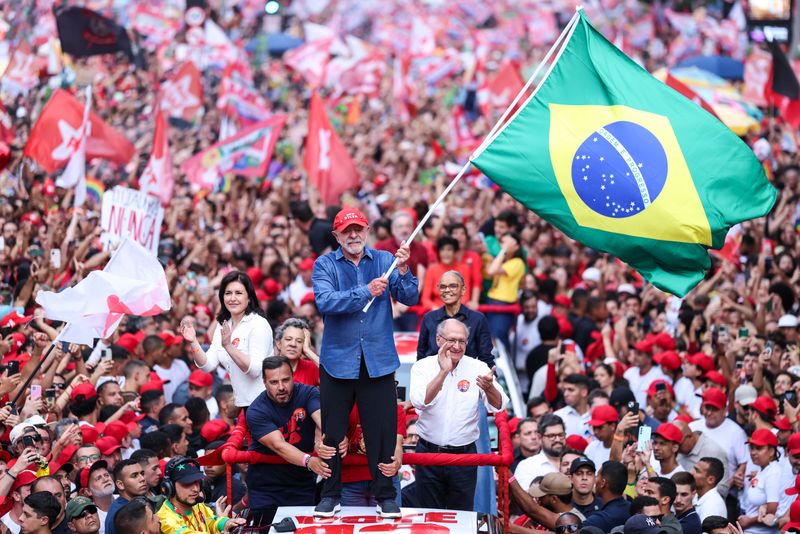
Luiz Inácio Lula da Silva's narrow victory in Brazil's recent election has significant implications not just for the nation, but for democracy worldwide. As Lula takes the helm, he faces a right-leaning legislature that poses challenges to his agenda. This political landscape underscores a crucial message from Brazilian voters: the need for effective governance that transcends historical political loyalties and ideological divides. Lula's win is seen as a pivotal moment in Brazil's journey toward realizing its vast potential amid a fractured global context.
The election results have sparked optimism among social and environmental movements globally, particularly as Lula's administration is expected to strengthen protections for the Amazon rainforest. This development is particularly noteworthy as it comes at a time when many countries, including the United States, Spain, and France, are grappling with rising far-right sentiments. Lula's victory serves as a blueprint for these nations, illustrating how democratic processes can effectively counter extremist ideologies while prioritizing environmental stewardship. The implications of this victory extend beyond Brazil, offering lessons in resilience and hope for other democracies facing similar challenges.S2
As Lula prepares to lead Brazil, the stakes are high. His administration is tasked with addressing pressing issues such as economic inequality and environmental degradation, all while navigating a complex political landscape. The upcoming months will be critical as Lula seeks to implement his policies and engage with a legislature that may not fully align with his vision. The success of his presidency may hinge on his ability to deliver tangible results that resonate with voters, reinforcing the notion that political history alone cannot guarantee success in governance.S1