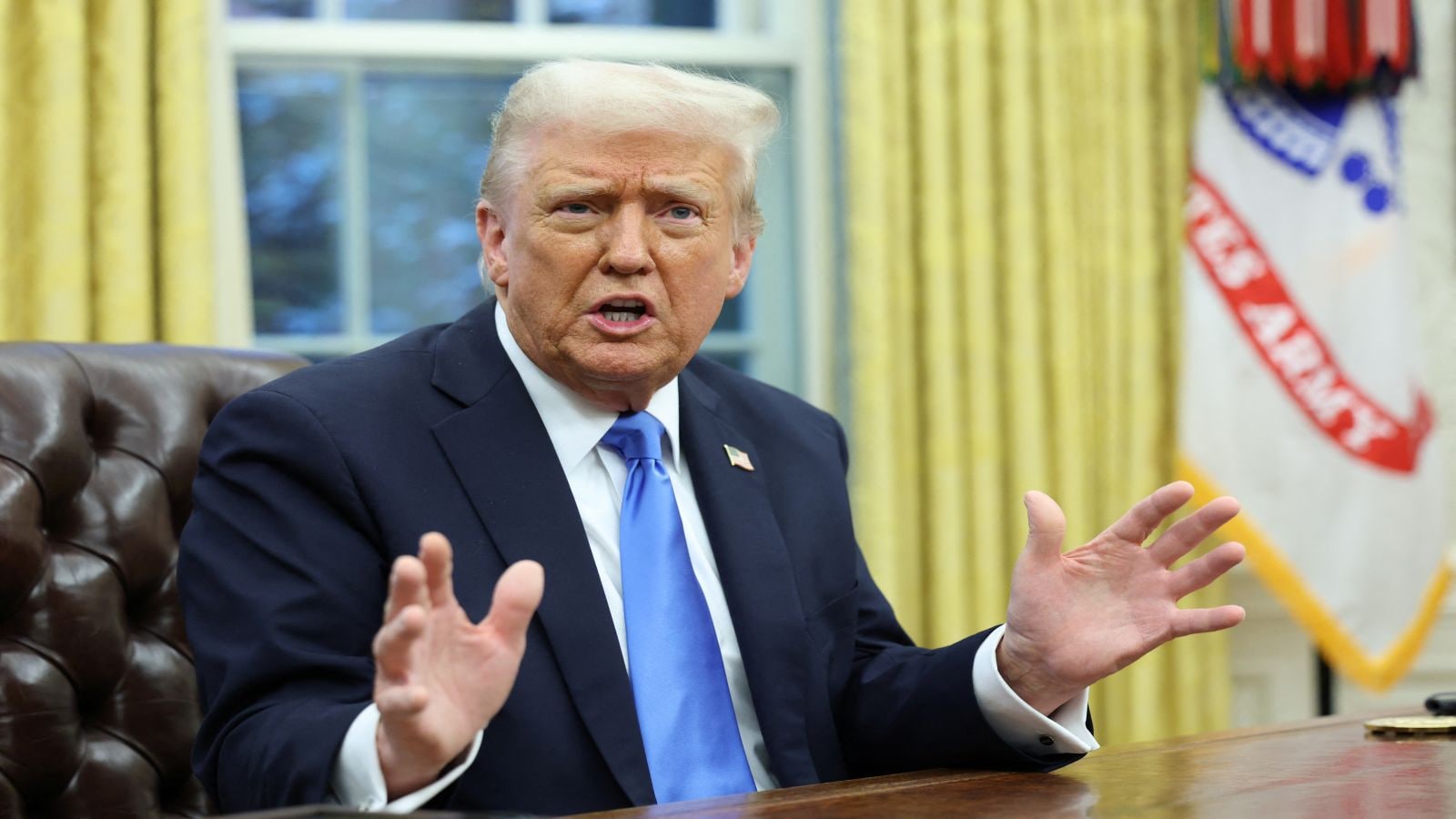
In a significant shift in strategy, US President Donald Trump has cancelled his planned campaign rallies in Kansas and Iowa, opting instead for a series of nationwide tele-rallies as the midterm elections approach. This decision was announced just days before the events were scheduled to take place, indicating a change in how Trump intends to engage with voters in the final stretch of the campaign.
The Republican National Committee has responded to Trump's cancellation by organizing broadcasts in nearly 20 states, allowing him to maintain a presence in the campaign despite the absence of in-person rallies. This move highlights the evolving nature of political campaigning, particularly in the context of the ongoing pandemic and changing voter engagement strategies.S2
As the midterm elections draw near, Trump's tele-rallies are expected to reach a broad audience, potentially influencing voter turnout and sentiment across key battleground states. The decision to pivot to virtual events underscores the challenges faced by political campaigns in adapting to current circumstances while still trying to mobilize support ahead of the elections.S1S2