The brief
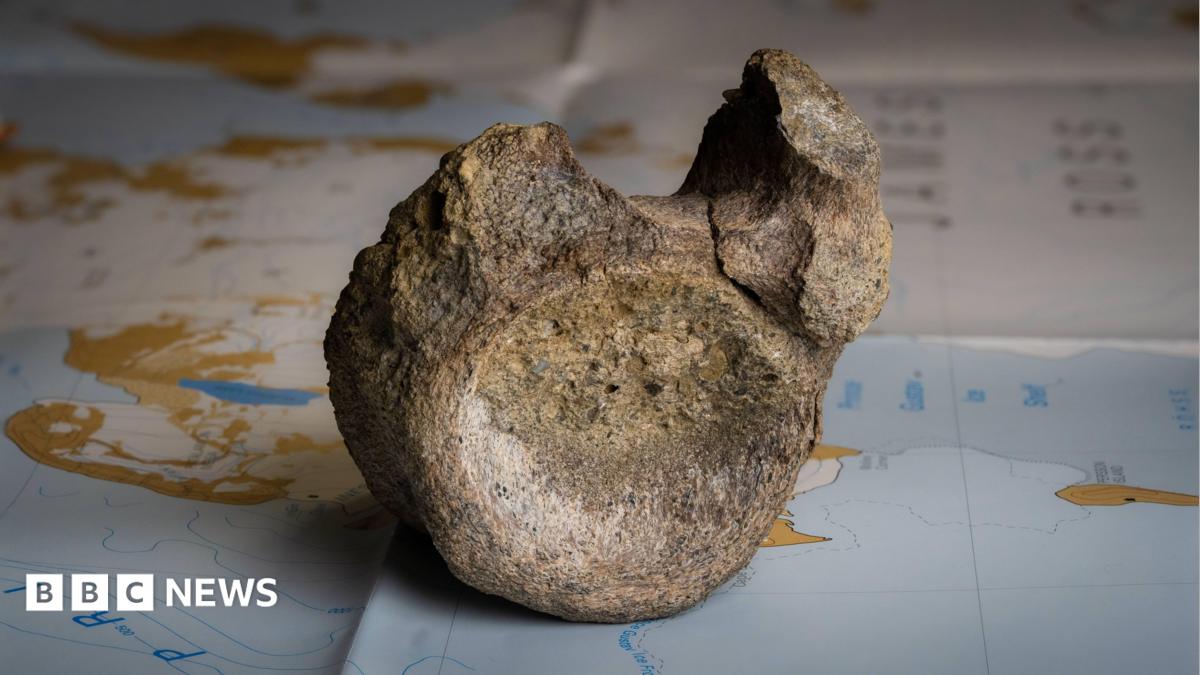
A dinosaur bone, the first of its kind discovered in Antarctica, has been identified after lying forgotten in a drawer for 40 years.
Context
The fossil was originally found in 1985 on James Ross Island during a research expedition but remained unexamined until now.S2S3
Key points
- It was discovered by a team that unearthed it in 1985 but was overlooked for decades.S2
- The identification of the fossil highlights the importance of revisiting old collections.S1
- The discovery adds to the understanding of dinosaur distribution and diversity.S2
- The fossil's age and type are still being studied to determine its exact significance.S3
- This find could lead to further research on prehistoric life in polar regions.S2
- The fossil was found in a drawer at a museum, emphasizing the need for better cataloging.S1
- This discovery may inspire future paleontological expeditions in Antarctica.S2
Why it matters
- It provides insights into the history of dinosaurs in extreme environments.S2
- The find underscores the potential for significant paleontological discoveries in overlooked collections.S1
- Understanding dinosaur fossils from Antarctica can reshape theories about their habitats.S3
What to watch
- Monitor ongoing research to determine the fossil's age and classification.S3
- Watch for announcements regarding future expeditions to Antarctica.S2
- Follow developments in paleontology related to dinosaur diversity in polar regions.S1