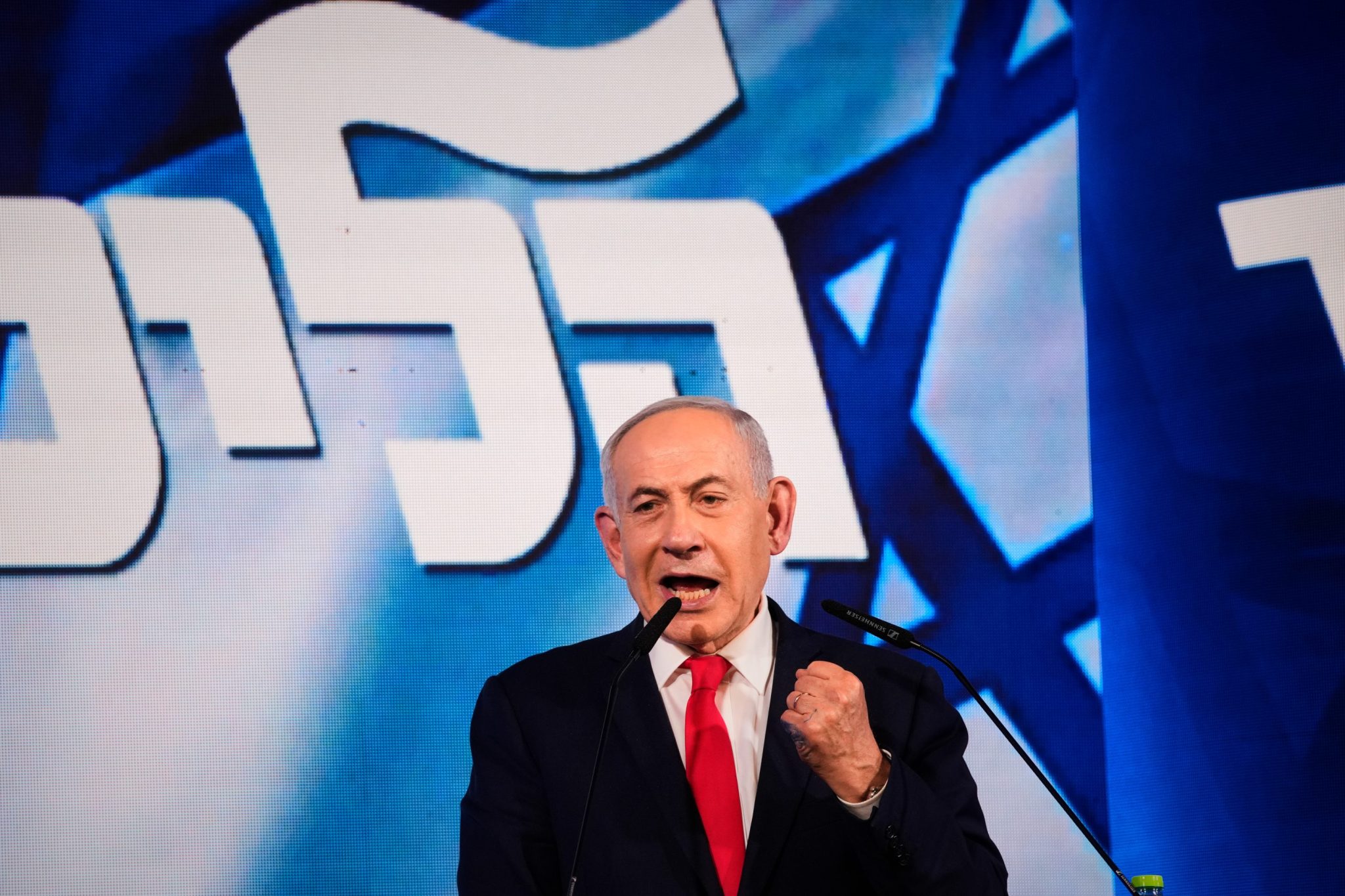
In a significant shift in Israeli politics, Prime Minister Benjamin Netanyahu’s political bloc has lost its parliamentary majority following the recent election, securing only 53 seats in the Knesset. This outcome has opened the door for complex coalition negotiations as no party emerged with a clear mandate to govern, leaving the formation of a new government uncertain and fraught with challenges.
The election results indicate that Arab-led parties have become pivotal players in the negotiations to form the next government. With no single party achieving a majority, these groups are now being courted by various factions, highlighting a potential shift in political dynamics within Israel. As coalition talks commence, the stakes are high for all involved, particularly for Netanyahu, who faces the possibility of another election if a stable government cannot be formed.S2
Despite leading in the election results, Netanyahu's bloc fell far short of the majority required to govern effectively. The final count has left the Prime Minister in a precarious position, as the need for arduous coalition bargaining looms large. This scenario not only raises questions about the future of Netanyahu's leadership but also keeps the risk of another ballot on the table, emphasizing the volatility of the current political landscape in Israel.S3