The brief
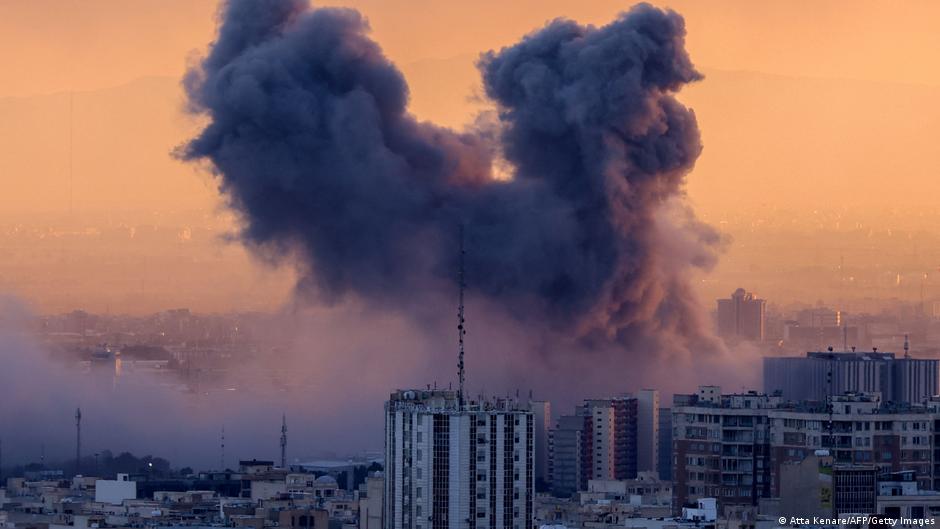
The United States and Iran have engaged in mutual strikes, marking a significant escalation in tensions since their recent peace agreement.
Context
This confrontation is the first since a preliminary agreement was reached to end ongoing hostilities, raising concerns about the stability of the deal.S1S2
Key points
- The strikes are centered around control of the Strait of Hormuz.S1
- Both nations have accused each other of violating the terms of their memorandum of understanding.S1
- This escalation is described as the worst since the signing of the interim peace deal.S2
- Analysts suggest that the recent confrontations could lead to the collapse of the agreement.S1
- The strikes represent a significant increase in military engagement between the two countries.S2
- The situation has raised alarms about potential broader regional instability.S1
- The US and Iran's ongoing conflict has implications for global oil markets, particularly through the Strait of Hormuz.S1
- The confrontation highlights the fragility of diplomatic efforts in the region.S2
Why it matters
- The escalation could disrupt international shipping routes, affecting global trade.S1
- A collapse of the peace agreement may lead to renewed hostilities and increased military actions.S2
- The situation underscores the challenges of diplomatic negotiations in volatile regions.S1
What to watch
- Monitor developments regarding the US and Iran's military actions in the Strait of Hormuz.S1
- Watch for responses from international bodies regarding the escalating tensions.S2
- Keep an eye on the impact of these events on global oil prices and markets.S1