Pope Leo XIV's Voting Rights in US Elections

United States
The brief

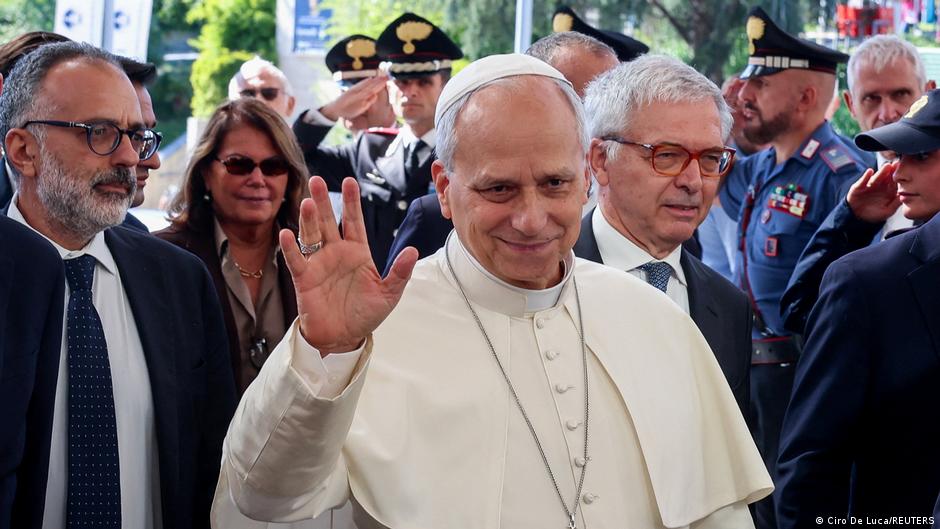
Pope Leo XIV, the leader of Vatican City, recently made headlines by casting a ballot in Illinois’ midterm elections. This unusual act raises questions about the legal implications of a foreign leader participating in a U.S. electoral process, particularly given the Pope's unique status as both a religious figure and an American citizen.

Experts clarify that Pope Leo XIV retains his voting rights despite residing in the Vatican. According to legal interpretations, he is considered an American citizen living abroad, which allows him to vote in U.S. elections without losing his rights. This situation highlights the intersection of citizenship and international residence, as noted by a legal expert who emphasized that moving to the Vatican did not strip him of his voting privileges.S2

The implications of this situation could extend beyond the Pope's personal voting rights, potentially influencing discussions about the voting rights of expatriates and citizens living overseas. As the political landscape evolves, the intersection of citizenship and international law may become a focal point for future debates, particularly as more citizens engage in electoral processes from abroad.S1S2
Timeline · newest first
1h Internewscast

Why Pope Leo Could Vote in a US Election as Vatican City Leader

Internewscast Internewscast WASHINGTON — Pope Leo XIV cast a ballot in Illinois’ midterm elections… This Post: Why Pope Leo Could Vote in a US Election as Vatican City Leader first…

1h Nypost

Why Pope Leo is legally allowed to vote in US election — despite being leader of Vatican City

"He’s an American citizen living abroad. He didn’t lose his voting rights when he moved to the Vatican," an expert said.

Pope Leo XIV's Voting Rights in US Elections

2 outlets 2 reports
The brief

Pope Leo XIV, the leader of Vatican City, recently made headlines by casting a ballot in Illinois’ midterm elections. This unusual act raises questions about the legal implications of a foreign leader participating in a U.S. electoral process, particularly given the Pope's unique status as both a religious figure and an American citizen.

Experts clarify that Pope Leo XIV retains his voting rights despite residing in the Vatican. According to legal interpretations, he is considered an American citizen living abroad, which allows him to vote in U.S. elections without losing his rights. This situation highlights the intersection of citizenship and international residence, as noted by a legal expert who emphasized that moving to the Vatican did not strip him of his voting privileges.S2

The implications of this situation could extend beyond the Pope's personal voting rights, potentially influencing discussions about the voting rights of expatriates and citizens living overseas. As the political landscape evolves, the intersection of citizenship and international law may become a focal point for future debates, particularly as more citizens engage in electoral processes from abroad.S1S2
Timeline · newest first

Sources · 2 citations

S1 Internewscast 1 report · EN
S2 NypostLead 1 report · EN