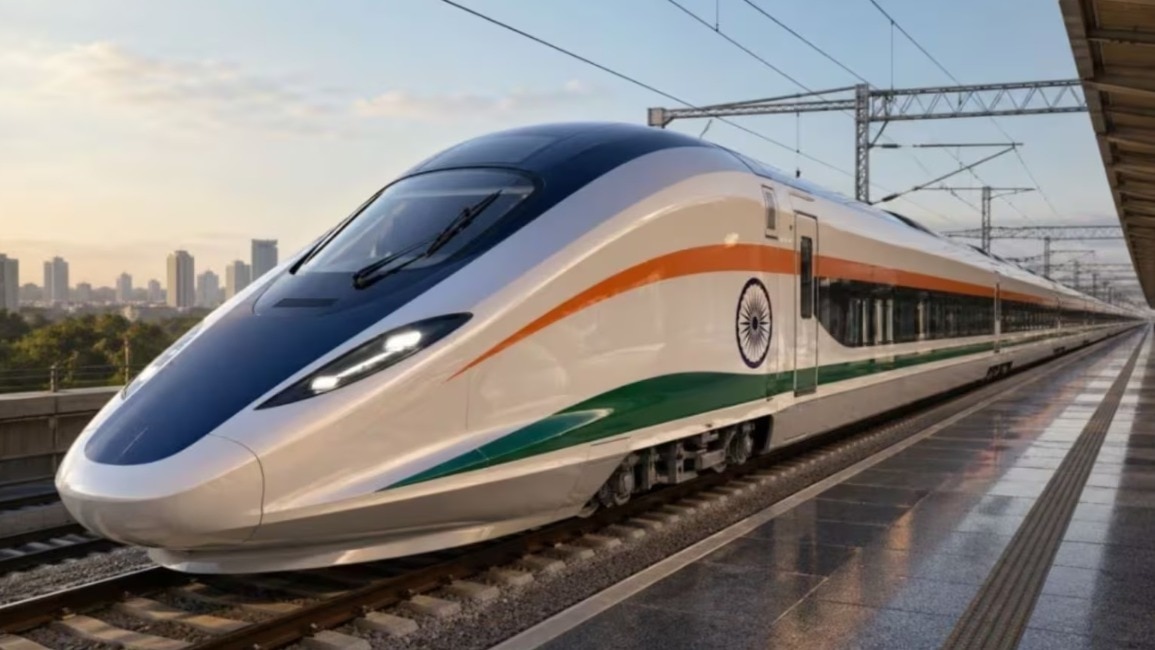
In a significant development for India's transportation infrastructure, Prime Minister Narendra Modi has approved the Delhi-Varanasi bullet train corridor, marking Uttar Pradesh's entry into the high-speed rail network. This new service is expected to reduce travel time between the capital, Delhi, and the holy city of Varanasi to approximately three and a half hours. The project is a part of the broader initiative to enhance the country's rail connectivity and modernize its transport systems, which have been a focus of the current administration.
The approval comes as a part of a larger strategy to expand India's high-speed rail capabilities, which have been under development in various regions. The Delhi-Varanasi route is particularly significant, not only for its potential to boost tourism and economic activity in Uttar Pradesh but also for its role in connecting major cultural and religious sites in the country. The project is expected to facilitate faster and more efficient travel for both residents and visitors, enhancing the overall connectivity of the region.S1S2
With the introduction of this bullet train service, the Indian government aims to set a precedent for future high-speed rail projects across the nation. The initiative is anticipated to create jobs and stimulate local economies along the route, which will include advanced rail technology and infrastructure. As the project progresses, further details regarding the timeline for construction and the exact operational date are expected to be announced, highlighting the government's commitment to modernizing India's transport sector.S2