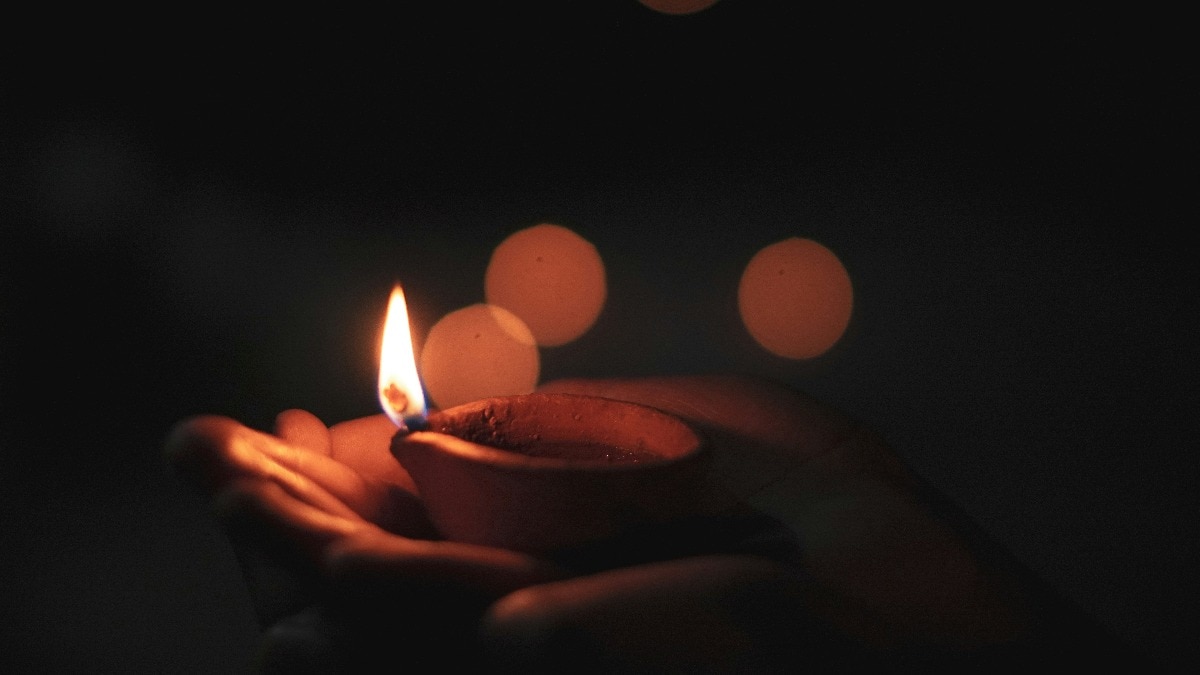
Ahoi Ashtami, a significant festival celebrated by women in India, is marked by fasting and prayers for the well-being and longevity of their children. This year, the festival falls on a day when women will observe the fast throughout the day, culminating in the worship of Ahoi Mata in the evening. The rituals include waiting for the appearance of stars in the night sky, which are traditionally offered as an oblation before breaking the fast. The timing for these celestial events varies across different cities, making it essential for participants to know the specific timings in their locations, such as Delhi, Noida, and Lucknow.
As families prepare for the festivities, the culinary aspect of Ahoi Ashtami also comes into play. Women are not only focused on the religious observances but are also gearing up to prepare traditional bhog, or offerings, which are an integral part of the celebrations. These classic recipes are meant to be shared with family and friends, enhancing the festive spirit following the fasting period that follows Karva Chauth, another significant occasion for women in the region.S2
The rituals associated with Ahoi Ashtami are deeply rooted in cultural beliefs. Women pray for their children's health and happiness, and those who have yet to experience parenthood also participate in the hopes of conceiving. The day is filled with a sense of devotion, as it is believed that sincere prayers and observance of the fast can alleviate struggles related to childbearing, bringing peace and prosperity to the household. This year, the auspicious time for breaking the fast is closely linked to the sighting of the moon, which is another key element of the festival's observance, further emphasizing the connection between celestial events and the rituals performed.S3


