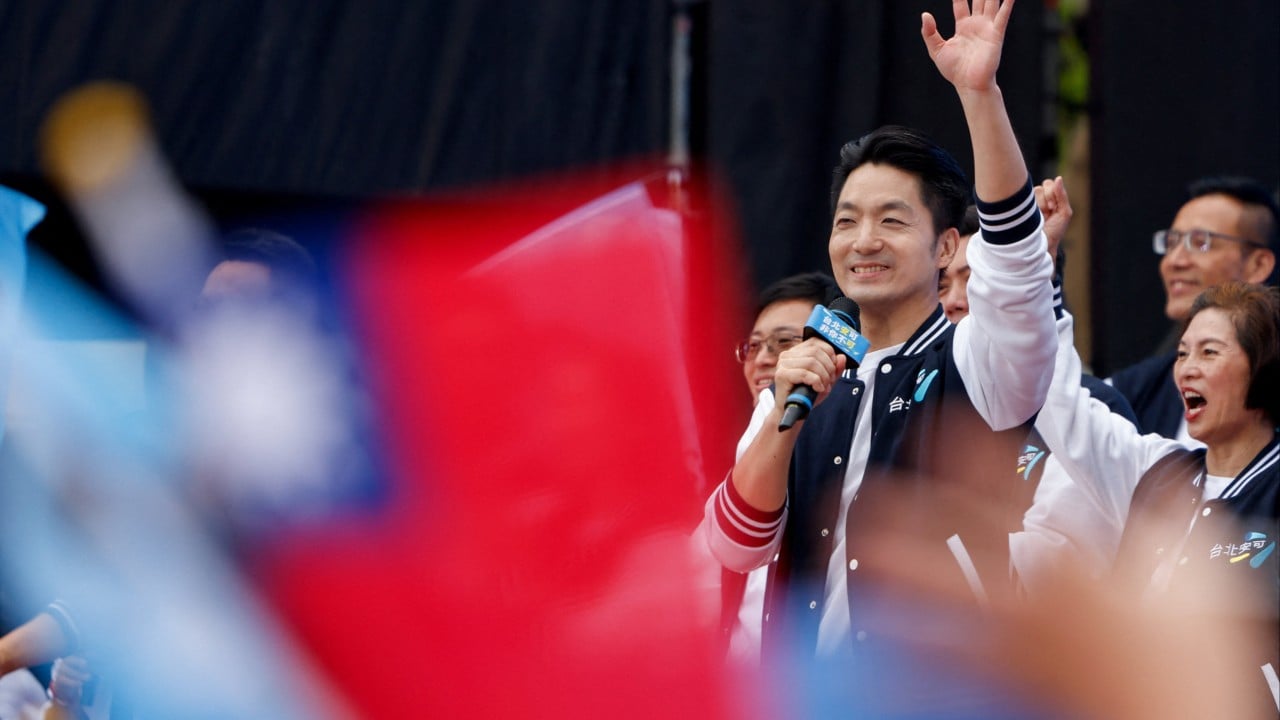
Taipei Mayor Wayne Chiang Wan-an is facing an unexpectedly tough re-election fight, a development that is drawing attention not only for its local implications but also for its potential impact on cross-strait relations with Beijing. Just five months ago, Chiang was comfortably positioned for a second term in a city where the Kuomintang (KMT) has historically held an advantage over the ruling Democratic Progressive Party (DPP). A poll conducted by local cable news network TVBS in late May indicated that he was leading by a significant 28 percentage points, signaling a strong likelihood of victory at that time.
However, recent developments have shifted the dynamics of the race, raising concerns that a close outcome could weaken the KMT and exacerbate tensions with Beijing. The KMT, which traditionally supports closer ties with China, is now at risk of losing its foothold in Taipei, a city that has been a stronghold for the party. Analysts suggest that a narrow victory or loss for Chiang could embolden the DPP and complicate the already delicate relationship between Taiwan and China, particularly as Beijing continues to assert its claims over the island.S1S2
As the election approaches, the stakes are high not just for Chiang but for the KMT and Taiwan's broader political landscape. The outcome of this mayoral race could serve as a bellwether for future elections and the direction of Taiwan's policy towards China. Voters will head to the polls in November, and the implications of their choices will resonate beyond Taipei, potentially influencing the trajectory of Taiwan's relations with Beijing and the island's internal political balance.S1S2